Outlook: Automation in CNC Machining for Energy Sectors
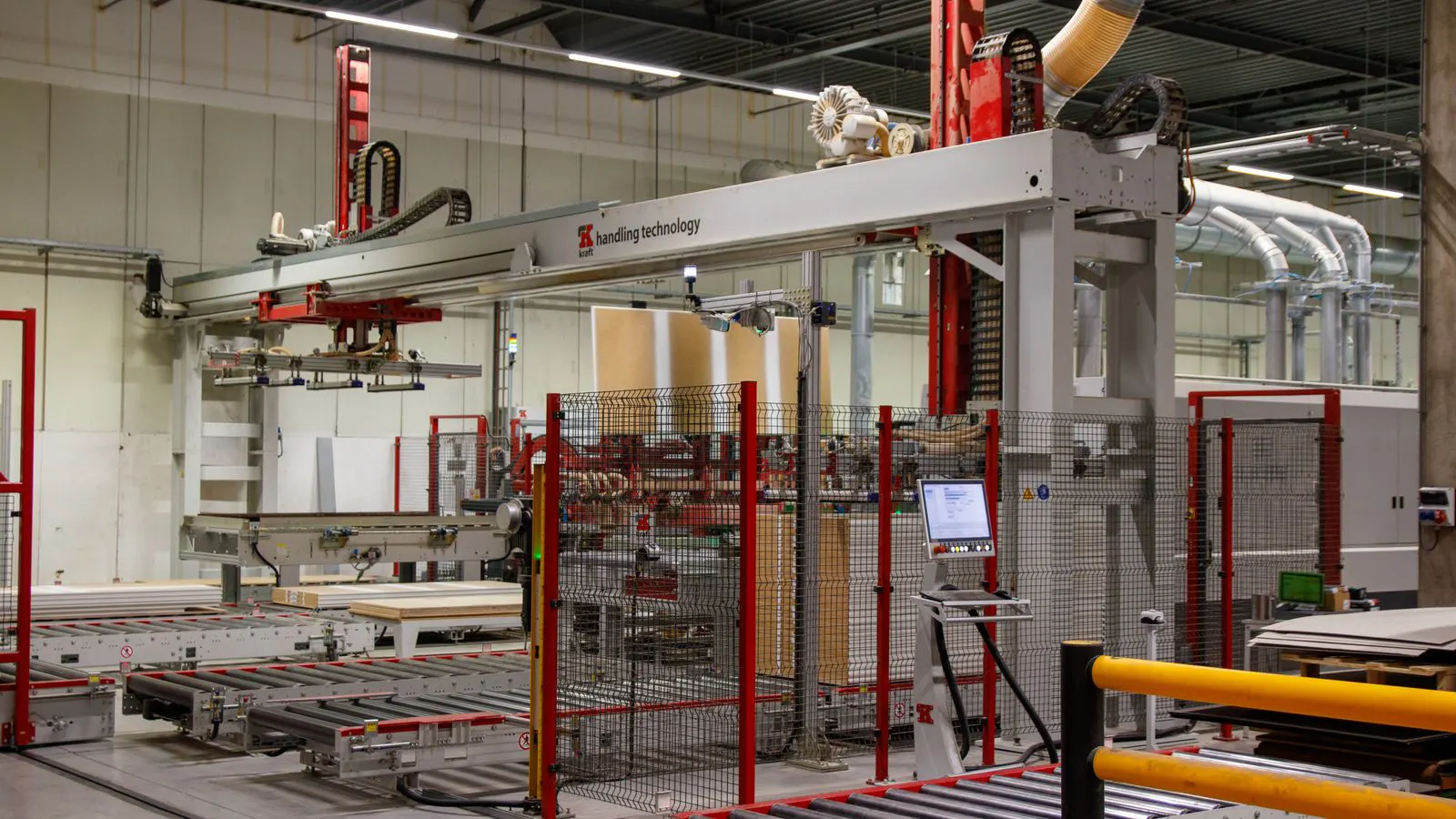
Automation is changing CNC machining in energy sectors by improving throughput, reducing manual intervention, and enabling complex part production. Buyers should plan for workflow integration, data management, and operator role changes.
- Automation in energy CNC workflows is shifting from isolated machines to integrated cells that handle multiple operations.
- Buyers must plan for data integration, material handling, and operator skill transitions.
- The energy sector is adopting automation faster for high-volume components and complex structural parts.
- Preparation requires clear workflow mapping and realistic ROI expectations based on production volume.
- Vendor-neutral selection depends on integration capability, not just machine specs.
Energy infrastructure projects are pushing CNC machining beyond single-machine operation. Pipelines, wind turbines, solar structures, and power generation equipment demand parts that combine precision with scale. Automation is no longer a premium add-on. It is becoming a standard requirement for meeting delivery schedules and quality controls.
This shift is visible in how shops handle material loading, in-process inspection, and multi-part sequencing. Robots, vision systems, and software integration are changing the daily rhythm of the floor. For buyers in energy and infrastructure, the question is not whether to automate. It is how to structure the workflow to capture value without over-investing in hardware.
What automation actually changes in energy CNC workflows
The most direct impact is on labor allocation. When a robot loads castings or forgings into a five-axis machine, the operator moves from physical handling to monitoring and troubleshooting. This frees time for setup, quality checks, and first-article verification.
In energy applications, parts often have longer cycle times. Large housings, flanges, and structural components require multiple operations. A single machine may run for hours. Automation handles the repetitive motion between operations. This reduces the risk of handling errors and keeps the machine running during breaks or shift changes.
The change is also visible in part complexity. Energy infrastructure parts increasingly feature complex geometry. Internal channels, variable wall thicknesses, and multi-directional toolpaths require multi-axis capability. Automation supports this by enabling unattended operation of long runs and by feeding the next part while the current cycle finishes.
Buyers should focus on where labor and cycle time are bottlenecks. If the shop is already at capacity and waiting on material loading, automation has a clear path to value. If the bottleneck is design or engineering, adding robots will not solve the problem.
How robotics is reshaping multi-axis energy part production
Multi-axis machining is the core of modern energy part production. Turbine blades, heat exchanger headers, and high-pressure vessel components often require simultaneous multi-directional cutting. This reduces setup time and improves surface finish.
Automation pairs naturally with multi-axis machines. A robot can position a large casting, hold it during drilling, and move it to a secondary operation. This reduces the need for multiple fixturing changes. Fewer fixturing changes mean less cumulative error.
In practice, this matters for parts that must meet tight dimensional tolerances. Energy components often require consistent performance across thousands of units. A wind turbine blade root or a solar inverter housing must function the same way on the first unit and the ten-thousandth.
The integration between the robot and the CNC controller is where the real work happens. The robot must know when the machine is ready, when the part is complete, and when to move to the next location. This requires communication protocols and careful kinematic setup.
For buyers, the practical question is whether the robot handles the full cycle or just the loading step. Full-cycle automation is more complex but offers higher utilization. Loading-only automation is simpler and may be sufficient for high-volume, lower-complexity parts.
Where energy buyers see the fastest return on investment
Not every part justifies automation. The return depends on production volume, cycle time, and the cost of manual labor. High-volume components with medium complexity are the best fit.
Consider a solar mounting bracket or a wind turbine gear housing. These parts are produced in large quantities. They have complex shapes but are not the most demanding parts in the shop. A robot can load and unload these parts with consistent timing. The machine runs longer without interruption. The operator can manage multiple machines.
Low-volume, highly complex parts are a different story. A single turbine blade or a prototype heat exchanger may require extensive setup, manual probing, and quality checks. Automation adds cost without adding much value if the part is made once.
Buyers should map their part mix before purchasing. Identify parts that meet three criteria. They must be produced in volume. They must have cycle times long enough to justify unattended running. They must have stable design so the robot path does not change frequently.
The table below shows a practical framework for evaluating automation candidates.
| Part Category | Automation Fit | Key Driver | Typical Workflow Change |
|---|---|---|---|
| High-volume brackets | High | Labor cost reduction | Unattended loading and unloading |
| Medium-volume housings | Medium | Cycle time consistency | Multi-machine cell with robot shuttle |
| Low-volume blades | Low | Setup complexity | Manual handling with in-process inspection |
| Standard flanges | High | Repetitive operations | Automated material feed and offloading |
| Custom structural parts | Medium | Fixturing changes | Robot-assisted part positioning |
This framework helps buyers avoid over-automation. The goal is to match the automation level to the part requirement.
Data and software integration: the hidden bottleneck
Hardware is the visible part of automation. The software that connects it is where projects often stall.
CNC automation energy systems require communication between the machine, the robot, the material handler, and the factory management system. If these systems do not talk, the robot sits idle while the machine runs. The value disappears.
Buyers should ask vendors about integration capability. Can the robot interface with the CNC controller directly? Can it receive cycle completion signals? Can it log part serial numbers for traceability? Energy infrastructure often requires full traceability from raw material to final inspection.
The software must also handle exceptions. What happens if the machine stops mid-cycle? What if the robot detects a part is not seated correctly? The system needs clear logic for pausing, alerting, and recovering without operator intervention.
For energy buyers, data integration also supports quality management. In-process sensors can monitor tool wear, cutting forces, and temperature. This data feeds into quality records and can trigger preventive maintenance.
The practical step is to define the data flow before selecting hardware. List the data points that must move between systems. List the decisions that must be made automatically. This prevents a situation where the hardware is installed but the workflow remains manual.
Operator roles and skill transitions
Automation changes the operator role. The person who once loaded parts and cleared chips now monitors multiple machines and handles exceptions.
This requires a different skill set. Operators must understand basic robotics safety, data logging, and troubleshooting. They must read error codes and interpret sensor data.
Energy shops that automate successfully invest in training. The operator becomes a process owner. They verify first articles, manage tool changes, and review quality reports. They are no longer just hands. They are part of the control loop.
This shift creates a new challenge. If the shop does not have operators with this skill set, automation will underperform. The machines will run, but the human element will create delays.
Buyers should assess their current team. Identify who can handle the transition. Plan for retraining. The cost of training is small compared to the cost of idle machines.
The human role also moves toward prevention. Instead of reacting to problems after they occur, operators watch trends in cutting data and tool life. This is a quality improvement that automation enables but does not create.
How to prepare for automation in energy CNC machining
Preparation is a workflow exercise, not a purchasing exercise. Start with the part and the process. Identify where the value is. Then select the technology.
Step one is to map the current workflow. Document every step from raw material to finished part. Note where labor is spent, where cycle time is lost, and where quality checks occur. This baseline is essential for measuring improvement.
Step two is to define the target state. What does the finished process look like? How many operators per machine? What is the target cycle time? What quality checkpoints remain manual?
Step three is to evaluate integration requirements. List the systems that must communicate. Define the data flow. Identify the control logic. This is where the hidden costs appear.
Step four is to select hardware based on integration capability, not just machine speed. A slightly slower machine with a clean API will outperform a faster machine with poor connectivity.
Step five is to plan the transition. Schedule downtime. Train operators. Test the full cycle with dummy parts. Do not run production parts until the system is stable.
The table below shows the preparation phases and their key outputs.
| Phase | Key Activity | Output |
|---|---|---|
| Workflow Mapping | Document current process steps | Baseline report with cycle times |
| Target Definition | Set throughput and quality goals | Specification sheet |
| Integration Planning | Define data flow and control logic | System architecture document |
| Hardware Selection | Evaluate machines and robots | Vendor shortlist |
| Transition Planning | Schedule training and testing | Implementation timeline |
This phased approach reduces risk. It ensures that the automation serves the workflow, not the other way around.
Common mistakes buyers make
The most common mistake is buying hardware before defining the workflow. This leads to a robot that cannot communicate with the machine or a machine that is not sized correctly for the part.
Another mistake is underestimating the material handling requirement. A robot that loads the machine is useless if the material is not staged correctly. The upstream process must support the automation.
Buyers also often skip the exception handling design. They plan for the normal case but not for the failure case. The system needs clear logic for what to do when something goes wrong.
Finally, buyers underestimate the training investment. Automation is only as good as the people who operate it. Without proper training, the system will not reach its potential.
The path to successful automation is not a single purchase. It is a structured workflow redesign. Energy buyers who treat it as an engineering project, not a capital expenditure, will see better results.
The outlook for energy sector automation
The direction is clear. Energy infrastructure is moving toward integrated cells that handle loading, machining, inspection, and offloading. The machines are getting smarter. The robots are getting more precise. The software is getting more connected.
Buyers should plan for five shifts. First, labor allocation is moving from physical handling to monitoring. Second, part complexity is increasing, driving multi-axis and automated integration. Third, data is becoming a core asset for quality and maintenance. Fourth, operator roles are shifting to process ownership. Fifth, the workflow is becoming the system, not the machine.
The energy sector is adopting these shifts because the parts demand it. High reliability, long cycle times, and strict traceability requirements make automation not just useful, but expected.
Buyers who prepare now will be in a strong position. They will have the workflow mapped, the data flow defined, and the team trained. The hardware will be easier to select when the process is clear.
The future of cnc automation energy is not about faster machines. It is about connected processes. The value is in the integration, not the isolated component.
Frequently asked questions
Does automation work for low-volume energy parts?
Generally no. Low-volume parts often require extensive setup and manual verification. Automation adds cost without proportional benefit unless the cycle time is very long.
What is the first step to implementing CNC automation in an energy shop?
Map the current workflow. Document every step from material receiving to final inspection. Identify where labor and cycle time are the bottlenecks.
How does automation affect quality in energy infrastructure parts?
Automation reduces handling errors and enables consistent positioning. It also supports in-process inspection and data logging for traceability.
Can a small shop automate its energy CNC operations?
Yes, but the scope must be limited. Loading-only automation or a single-machine cell is more realistic than a full integrated line for small shops.
What is the biggest risk when buying automation for energy parts?
Poor integration. If the robot, machine, and management systems do not communicate properly, the automation will not deliver the expected throughput or quality benefits.