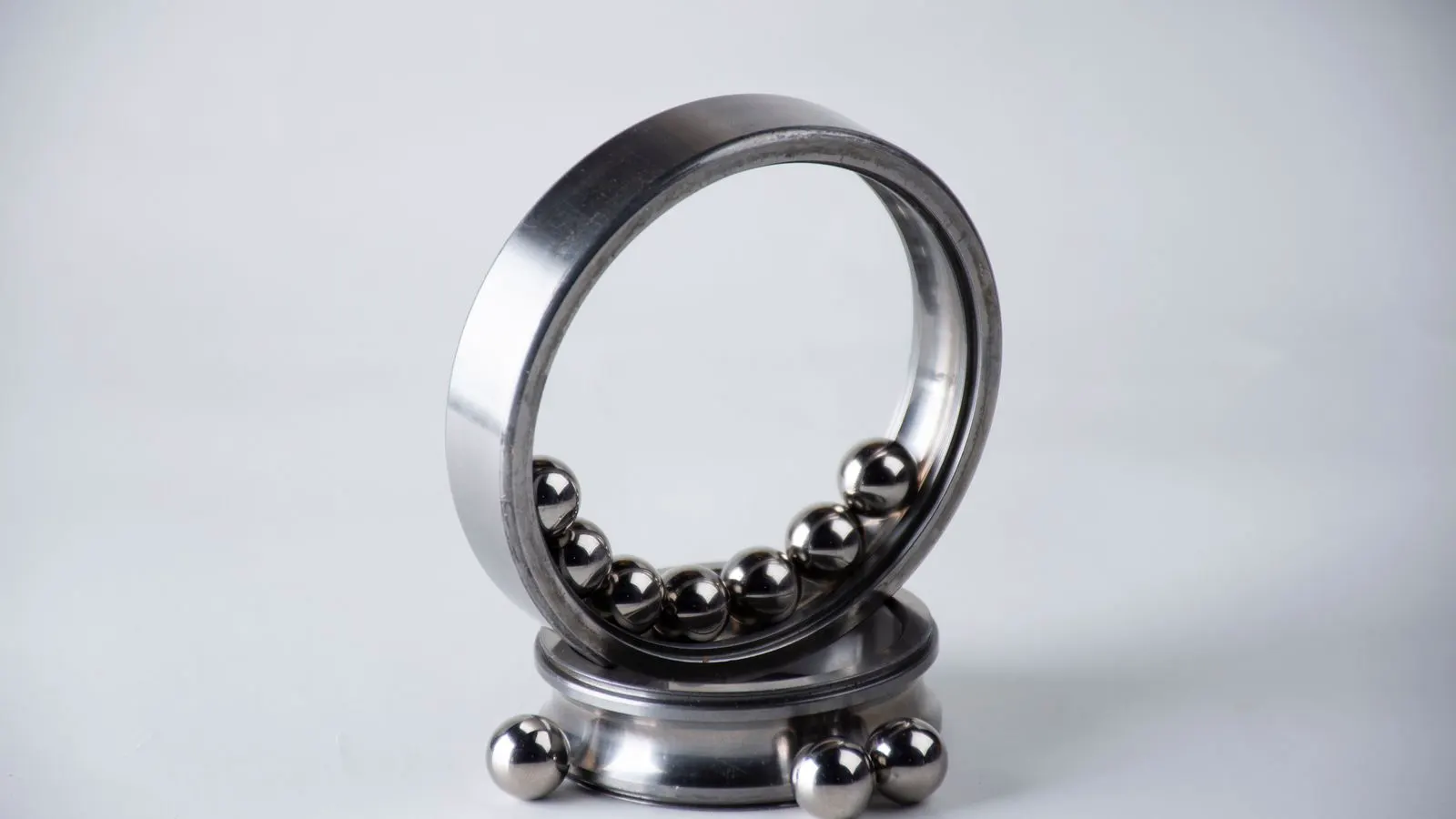
Explainer: CNC Machining in Renewable Energy Infrastructure
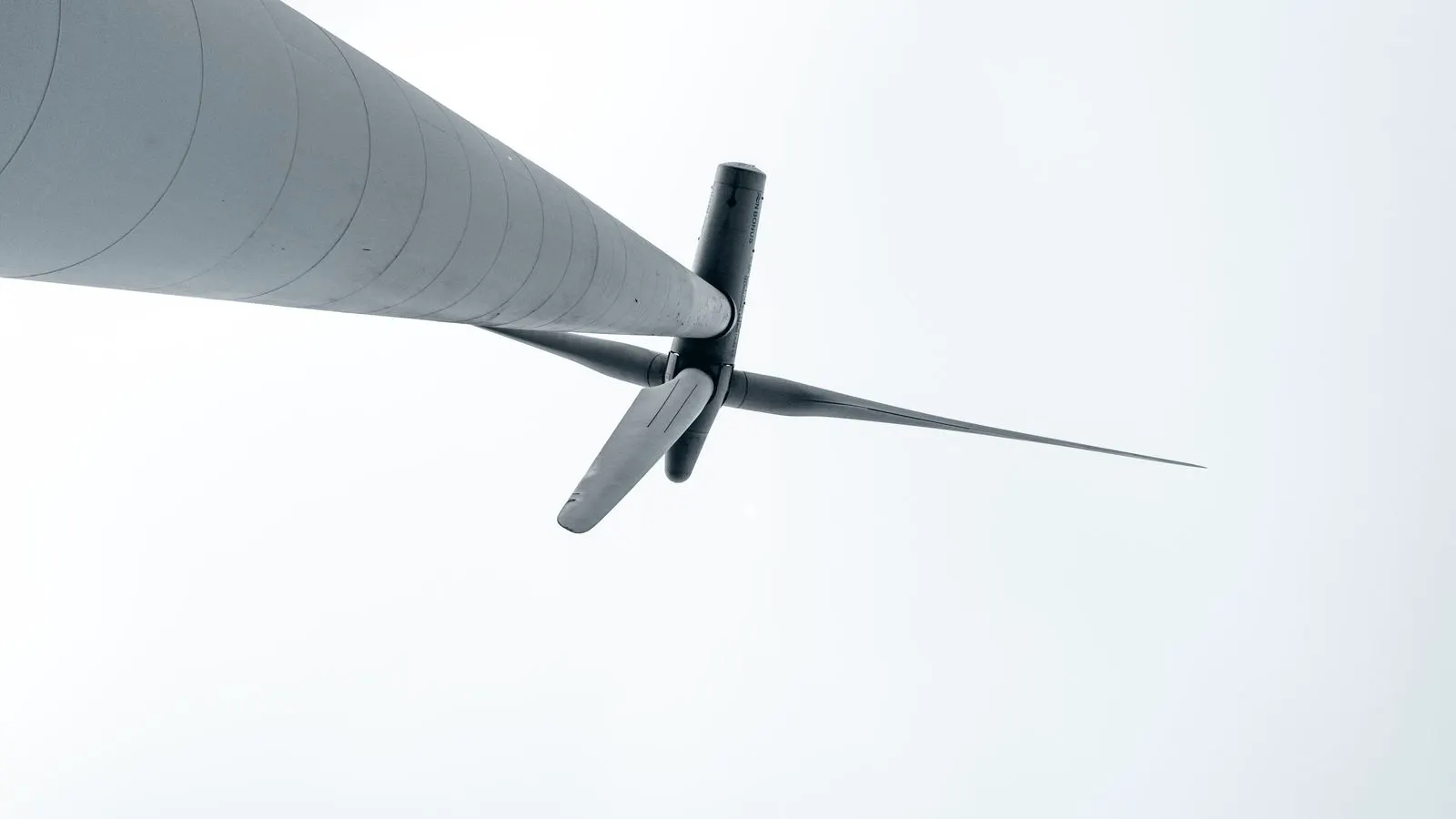
CNC machining produces precise cnc renewable energy parts for wind and solar infrastructure. It affects sourcing through material selection, tolerance requirements, and production volume. Wind and solar supply chains rely on this capability.
- CNC machining produces cnc renewable energy parts by shaping metals, composites, and polymers to tight tolerances.
- Wind turbine parts often need larger tooling setups and heavier materials than solar components.
- Sourcing decisions depend on part geometry, material, and required tolerance.
- Solar panel components usually focus on high-volume precision and consistent finishing.
- Choosing the right process reduces cost and improves fit for energy projects.
Renewable energy projects need parts that perform under load, weather, and thermal stress. CNC machining supplies these components by removing material from stock to reach exact dimensions. The process supports wind and solar supply chains through a mix of metalworking, polymer work, and finishing.
What are cnc renewable energy parts
CNC renewable energy parts are machine-made components used in wind turbines, solar arrays, power electronics, and mounting systems. These parts include gears, housings, shafts, brackets, heat sink fins, and connector housings. They are made from aluminum, steel, copper, titanium, and engineering plastics.
The term covers both functional parts and structural supports. A wind turbine gearbox housing and a solar inverter heat sink are different in size and function, but both rely on CNC machining for accuracy. The common thread is controlled material removal.
When sourcing these parts, buyers must define three things. Material grade, tolerance class, and production volume. Each choice affects machine time, tooling cost, and quality checks.
How wind turbine parts are machined
Wind turbine machining involves components that handle high torque and variable loads. Gears, coupling shafts, and gearbox housings are typical examples. These parts often use cast aluminum, forged steel, or high-strength alloys. The material must resist fatigue and vibration over a long service life.
CNC milling and turning are the main processes. Milling shapes complex housings with multiple cavities and mounting features. Turning creates shafts, splines, and threaded sections. Multi-axis machines handle parts where surfaces meet at angles that a single-axis machine cannot reach.
Tolerances on wind components are tight but not extreme. A gear bore may require a few hundredths of a millimeter, while a mounting flange may allow a larger deviation. The buyer must specify which features drive fit and which allow play. This distinction reduces cost because the shop can apply stricter checks only where needed.
Tooling is a major factor. A wind turbine component may require large end mills, roughing bars, or custom fixtures. If the part is produced in low volume, the tooling cost matters more than per-part time. If volume is higher, setup time and cycle time dominate the price.
How solar panel components are machined
Solar panel components focus on mounting, electrical connections, and thermal management. The main parts include frame brackets, junction box housings, heat sink plates, and connector terminals. These parts are often smaller than wind components but need higher consistency across large batches.
Aluminum is the most common material for solar brackets and frames because it is light and conductive. Copper or beryllium copper is used for electrical connectors and heat transfer parts. Polycarbonate and other engineering plastics are used for enclosures and covers.
CNC machining here often involves high-speed milling to finish surfaces quickly. The parts are usually produced in larger volumes than wind components. A solar array may need thousands of identical brackets, so the shop must optimize tool paths and reduce changeover time.
Surface finish matters for solar parts. A smooth finish helps with corrosion resistance and assembly. Anodizing is a common post-process for aluminum brackets to improve protection and appearance. The machining step must leave enough material for this finish. If the CNC tolerance is too tight, the finish process can remove too much and cause fit issues.
Key machining processes for cnc renewable energy parts
Different processes suit different part types. The choice affects cost, lead time, and quality.
| Process | Common Parts | Material | Best For |
|---|---|---|---|
| 3-Axis Milling | Brackets, Housings | Aluminum, Steel | Simple shapes, high volume |
| 5-Axis Milling | Gearboxes, Complex Housings | Aluminum, Titanium | Complex geometry, few setups |
| CNC Turning | Shafts, Couplings | Steel, Cast Iron | Cylindrical shapes, threads |
| Wire EDM | Electrical Connectors | Copper, Beryllium Copper | Thin walls, sharp corners |
| Laser Cutting | Mounting Frames | Aluminum, Steel | Flat parts, nesting efficiency |
A wind turbine gearbox housing may require 5-axis milling because of angled mounting surfaces. A solar bracket might be made on a 3-axis mill because the geometry is flat or simple. A connector terminal for a solar inverter might use wire EDM to create thin, precise features that are hard to machine with solid tools.
The buyer should match the process to the part, not the other way around. A 5-axis machine is not always better. It costs more to run and requires more skilled programming. If a part can be made on a 3-axis machine with a fixture, that may be the better choice.
Material selection and its impact on sourcing
Material choice drives cost and performance. Aluminum is light and easy to machine, but it is soft. It is common for solar brackets and lightweight wind components. Steel is stronger and handles higher stress. It is used for wind turbine shafts and structural supports. Copper and beryllium copper conduct electricity well and are used for heat sinks and connectors.
The material also affects tool life. Machining aluminum is fast but requires sharp tools. Machining steel is slower and creates more heat. Copper is soft but gummy, which can clog tools. The shop must select the right cutting fluid and tool geometry.
When sourcing cnc renewable energy parts, the buyer should specify the material grade, not just the element. For example, saying “aluminum” is too vague. The buyer should specify the alloy, such as a standard 6061 grade or a 7075 grade, depending on strength needs. The grade determines strength, corrosion resistance, and machinability.
Material availability also affects lead time. Some alloys are easier to source than others. A buyer sourcing parts for a remote solar project should check if the material is in stock. A long lead time on material can delay the whole assembly.
Tolerances and quality checks for energy components
Tolerances define how much variation is allowed. A tolerance of plus or minus 0.1 mm is common for structural parts. A tolerance of plus or minus 0.02 mm is needed for parts that must fit together without assembly force.
The buyer must identify which features are critical. A wind turbine shaft bearing race may need a tight tolerance on the diameter. A solar bracket mounting hole may need a larger tolerance because the bracket is bolted to a frame with some clearance.
Quality checks include dimensional inspection, surface finish measurement, and material verification. Dimensional inspection uses calipers, micrometers, or CMMs. Surface finish is measured with a profilometer. Material verification uses spectrometry to check the alloy.
The buyer should specify the inspection method in the drawing. If the part is for safety, the shop must provide a certificate of analysis. If the part is for general use, a first article inspection may be enough. This reduces cost because the shop does not inspect every part unless required.
A worked example: sourcing a solar inverter heat sink
A solar inverter needs a heat sink to cool the power electronics. The heat sink is made from aluminum and has a series of fins. The base must be flat to transfer heat to the electronic component. The fins must be spaced to allow airflow.
The buyer sends the drawing to a CNC shop. The drawing specifies the material as 6061-T6 aluminum. The tolerance on the base thickness is plus or minus 0.05 mm. The fin spacing is plus or minus 0.1 mm. The surface finish on the base is Ra 1.6 microns.
The shop uses a 3-axis milling machine. It mills the raw aluminum plate to remove the fins and shape the base. The tool path is optimized to reduce airtime. After machining, the part is anodized to protect the surface. The shop inspects the base flatness with a surface plate and measures the fin spacing with calipers.
The buyer receives the part with a packing slip and inspection report. The part fits the inverter enclosure without gaps. The heat transfer is good because the base is flat and the fins are evenly spaced. The process is repeatable because the tool path and fixture are saved for future runs.
Cost factors in renewable energy CNC sourcing
Cost is driven by material, machine time, tooling, and quality checks. A simple bracket made from aluminum on a 3-axis machine is cheap. A complex gearbox housing made from titanium on a 5-axis machine is expensive. The buyer must understand where the cost comes from.
Setup time is a hidden cost. If a shop switches from one part to another, it must change the tooling and fixture. This time is billed as setup. For high-volume solar parts, the setup cost is small per unit. For low-volume wind parts, the setup cost is a large portion of the total.
The buyer can reduce cost by simplifying the part. Removing unnecessary features, standardizing hole sizes, and allowing looser tolerances where possible all reduce cost. The goal is to balance performance and cost. A part that is over-machined wastes material and time.
Final considerations for buyers
Sourcing cnc renewable energy parts requires clear communication. The drawing must show all critical dimensions. The material must be specified. The tolerance and finish must be defined. The buyer should ask the shop about tooling and setup time.
The shop should provide a quote that breaks down costs. The buyer can then decide if the cost is acceptable. If not, the buyer can adjust the design to reduce cost. This back-and-forth is normal and helps find a workable solution.
The key is to match the part to the process. Wind turbine parts need strength and precision. Solar parts need volume and consistency. CNC machining supports both by providing controlled, repeatable material removal.
Frequently asked questions
What is the most common material for solar panel components?
Aluminum is the most common material because it is light, conductive, and easy to machine. It is used for brackets, frames, and heat sinks.
Do wind turbine parts require tighter tolerances than solar parts?
Some wind parts require tighter tolerances, especially shafts and gear bores. Solar parts often require tighter consistency across volume but looser individual tolerances.
Can a 3-axis machine make all renewable energy parts?
No. Complex wind turbine housings may require 5-axis machining. Simple solar brackets can be made on 3-axis machines. The part geometry determines the machine.
How does material grade affect cost?
Higher strength alloys cost more for material and take longer to machine. The buyer must choose the grade that meets strength needs without over-specifying.
What inspection method is needed for safety components?
Safety components usually require a certificate of analysis and dimensional inspection. The buyer should specify the inspection method in the drawing to avoid surprises.