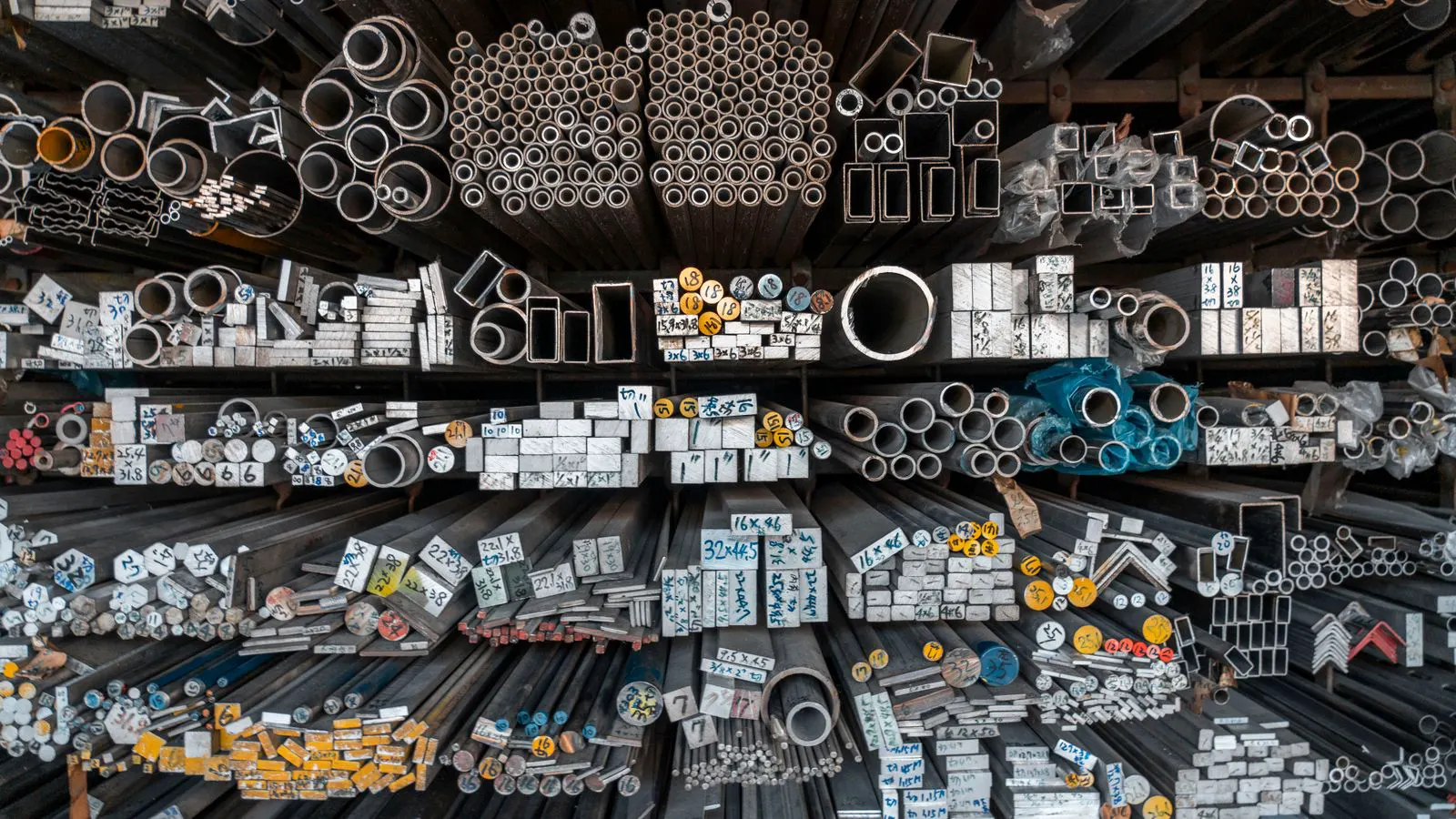
Outlook: Advanced Alloys in CNC Sourcing and Tolerance Control

Emerging alloys change the balance between cost and precision. Buyers must plan for new material certifications, tighter tolerance expectations, and specialized tooling. These shifts require updated supplier audits and clearer communication of material properties.
- Material certifications and traceability are becoming stricter for new high-performance alloys.
- Tolerance expectations are rising as alloys offer better thermal and dimensional stability.
- Tooling costs and lead times must be evaluated alongside material hardness and cost.
- Buyers should update their supplier qualification processes to handle new material data.
- Clear communication of material properties prevents rework and inspection failures.
Advanced alloys are changing the way buyers approach material selection. The focus is moving from basic cost per kilogram to the total impact of material behavior on dimensional accuracy. New alloy compositions offer better heat resistance and lower thermal expansion, but they introduce new challenges in sourcing and inspection.
How New Alloy Compositions Change Tolerance Expectations
Newer alloys often behave differently than conventional materials. They may expand less under heat or hold their shape better during machining. This stability allows engineers to push dimensional accuracy limits.
When a part holds its dimensions better during the manufacturing process, the final inspection becomes more predictable. Buyers who order tight tolerance parts should expect suppliers to quote tighter tolerances for these materials.
The shift is practical. If a medical implant part or a aerospace bracket uses a new precision alloy, the tolerance band may be narrower. The material itself supports this tighter control.
What Buyers Need to Verify in Material Certifications
Sourcing new alloys requires more than a material name. Buyers need full traceability. Each shipment should include mill test reports that confirm chemistry, heat treatment, and mechanical properties.
The certification documents must match the specific alloy grade and heat number. Without this data, the risk of material substitution increases.
Buyers should ask suppliers to provide the mill test report before production starts. This document becomes part of the quality file. It supports final inspection and any future audits.
How Alloy Hardness Affects Tool Life and Lead Time
Harder alloys are cutting harder. This increases tool wear and reduces the number of parts a single insert can produce. The result is higher tooling cost and longer machine time.
Lead time depends on tool availability. Some precision alloys require specialized inserts or coatings. If the supplier does not stock these tools, the job moves to a longer queue.
Buyers should factor tooling into the cost model. A cheaper material that requires expensive tooling may cost more than a conventional alloy. The total cost includes material, tooling, machine time, and inspection.
How to Prepare Supplier Audits for Emerging Materials
Supplier audits are changing. The checklist must now include material verification for new alloys. The audit should confirm that the supplier can trace the material back to the mill and that the heat treatment process is controlled.
Buyers need to verify that the supplier’s inspection equipment can handle the new material’s dimensions. Some alloys require tighter measurement methods or more frequent checks.
The audit should cover the supplier’s ability to document any material substitutions. If a new heat of the alloy is used, the buyer must be informed.
How Thermal Stability Changes Inspection Frequency
Parts made from stable alloys may require fewer in-process checks than parts made from standard materials. The material holds its shape better, so the risk of drift is lower.
However, the final inspection standard may be tighter. The buyer should align the inspection plan with the material’s behavior. If the alloy is stable, the final inspection can focus on critical features.
The inspection plan should be written in the drawing or the purchase order. It should specify which features need measurement and how often. This avoids disputes during acceptance.
How to Write Clear Specifications for New Alloys
The purchase order must specify the alloy grade and the required material properties. It should reference the relevant material standard or the supplier’s approved material list.
The specification should state the heat treatment condition. The buyer should also require the mill test report with the shipment.
If the part has critical dimensions, the drawing should define the tolerance and the inspection method. This clarity prevents the supplier from guessing the requirements.
How to Balance Cost and Precision in 2026
The balance between cost and precision is shifting. New alloys offer better performance, but they come with higher material and tooling costs. Buyers must decide where precision matters most.
For non-critical parts, a conventional material may be sufficient. For critical parts, a new alloy may justify the cost. The decision depends on the part’s function and the risk of failure.
Buyers should review their parts list and identify which features drive quality risk. Those features should be assigned to the alloy and tolerance that support them.
How to Update Internal Processes
Internal processes need updates to handle new materials. The engineering team must learn the behavior of the new alloys. The quality team must adjust the inspection plans.
The purchasing team must update supplier qualification forms. The forms should include questions about material traceability and heat treatment.
Training is a small investment. It reduces the risk of rework and shortens the time to approve new parts.
How to Plan for Long-Term Material Supply
New alloys can have longer lead times for initial supply. The supplier may have limited stock. Buyers should plan for this by ordering early for critical projects.
Long-term supply depends on the supplier’s relationship with the mill. A stable relationship helps secure consistent material quality.
Buyers should identify alternative suppliers for key alloys. This reduces the risk of supply interruption.
How to Measure the Impact of Material Choice on Cost
The cost of a part is more than the material cost. It includes machining time, tooling, inspection, and scrap. The material choice affects all of these.
A simple cost model can help. List the material cost, the tooling cost, the machine time, and the inspection cost. Then compare the totals for different material options.
This model helps buyers make informed decisions. It shows which material offers the best balance of performance and cost.
| Material Type | Tolerance Potential | Tooling Impact | Inspection Frequency |
|---|---|---|---|
| Conventional Aluminum | Standard | Low | High |
| Conventional Stainless | Standard | Medium | Medium |
| New Precision Alloy | Tighter | High | Lower |
| High Strength Steel | Standard | High | Medium |
How to Communicate Requirements to Suppliers
Clear communication prevents errors. The buyer should send the drawing, the material specification, and the tolerance requirements in one package.
The buyer should also send the required certification documents. This tells the supplier exactly what to provide.
Regular communication during production helps catch issues early. A quick check-in after the first piece can prevent a large batch of scrap.
How to Handle Material Changes
Suppliers may need to change the material heat due to mill availability. The buyer should have a clear process for approving changes.
The buyer should require a written request with the proposed change. The engineering team should review the change against the drawing and the material specification.
If the change is approved, the purchase order should be updated. This creates a clear record for quality.
How to Track Quality Over Time
Quality data should be tracked over time. Each batch of parts should be logged with the material heat number and the inspection results.
This data helps identify trends. If a specific heat number causes issues, the buyer can alert the supplier.
The data also supports continuous improvement. The buyer and the supplier can review the data and adjust the process.
How to Prepare for Regulatory Changes
Regulatory standards for materials can change. The buyer should monitor relevant standards and keep the material list updated.
The buyer should also check if the new alloys meet the current regulatory requirements. This may require additional testing or certification.
Staying informed reduces the risk of non-compliance. It also supports better supplier selection.
How to Evaluate Supplier Capability
Supplier capability is key. The buyer should evaluate the supplier’s experience with the new alloys. The supplier should be able to explain the material behavior and the machining process.
The buyer should also evaluate the supplier’s quality system. The system should support traceability and document control.
A capable supplier reduces risk. It helps the buyer achieve the desired quality and cost.
How to Use Data to Make Decisions
Data drives better decisions. The buyer should collect data on cost, lead time, and quality. This data helps compare material options.
The buyer should use this data to update the cost model. The model should reflect the real costs of each material.
Data also supports negotiations. The buyer can use cost data to discuss pricing with the supplier.
How to Build a Strategic Material Plan
A strategic material plan aligns material choices with business goals. The buyer should define the critical parts and the required quality levels.
The buyer should then select the materials that support those goals. The plan should include the suppliers and the certification requirements.
The plan should be reviewed regularly. Material costs and availability change. The plan must stay current.
How to Reduce Risk in Sourcing
Risk reduction is about preparation. The buyer should qualify multiple suppliers for critical materials. This creates competition and ensures supply.
The buyer should also require detailed material documentation. This supports traceability and quality control.
Risk reduction also includes clear communication. The buyer should set clear expectations and maintain regular contact with the supplier.
How to Improve Quality with New Alloys
New alloys can improve quality. They offer better dimensional stability and thermal resistance. This supports tighter tolerances and longer part life.
The buyer should identify the parts that benefit most from these properties. The buyer should then update the specifications to reflect the new capabilities.
Improved quality reduces failure rates and supports customer satisfaction.
How to Manage Cost with New Alloys
Cost management requires a full view. The buyer should look at the total cost of ownership, not just the material price.
The buyer should consider the cost of tooling, machine time, inspection, and scrap. A higher material cost may be offset by lower tooling wear and fewer rejections.
The buyer should use the cost model to make these trade-offs. The model should be updated as new data becomes available.
How to Prepare Your Team for the Shift
The team needs to understand the changes. The engineering, quality, and purchasing teams should work together.
The engineering team should learn the new material properties. The quality team should adjust the inspection plans. The purchasing team should update the supplier qualification forms.
Training and communication are key. The team should be aligned on the goals and the requirements.
How to Measure Success
Success is measured by quality, cost, and lead time. The buyer should track these metrics over time.
The buyer should also track the number of rejections and the time to approve new parts. These metrics show the effectiveness of the process.
The buyer should review these metrics regularly and make adjustments as needed.
How to Stay Ahead of Material Trends
The buyer should stay informed about material trends. The buyer should attend industry events and read industry publications.
The buyer should also engage with suppliers. Suppliers often have early knowledge of new materials and processes.
Staying informed helps the buyer make better decisions. It also supports long-term planning.
How to Implement Changes Step by Step
Changes should be implemented in small steps. The buyer should start with a pilot project. The pilot project should use the new alloy on a non-critical part.
The buyer should review the pilot project and adjust the process. Then the buyer should scale the changes to critical parts.
This approach reduces risk and builds confidence. It also allows the team to learn and improve.
How to Maintain Quality Standards
Quality standards must be maintained as materials change. The buyer should update the quality plan to reflect the new materials.
The buyer should also maintain the inspection equipment and the measurement methods. The equipment must be calibrated and the methods must be validated.
Quality standards are the foundation. They must be protected and improved over time.
How to Build Trust with Suppliers
Trust is built through clear communication and fair dealing. The buyer should be transparent about the requirements and the expectations.
The buyer should also recognize the supplier’s effort. Acknowledging good work strengthens the relationship.
Trust reduces friction and supports collaboration. It helps both parties solve problems quickly.
How to Plan for the Future
The future of CNC machining is shaped by material innovation. The buyer must be prepared to adapt.
The buyer should develop a long-term strategy that includes material selection, supplier management, and quality control.
The buyer should review this strategy regularly and adjust it as needed. This ensures the business stays competitive and meets customer needs.
Frequently asked questions
What is the biggest change in cnc material properties for 2026?
The biggest change is the shift from basic cost per kilogram to total cost based on dimensional stability and tooling impact.
How do new alloys affect tolerance control?
New alloys often allow tighter tolerances because they hold their shape better during machining and heat exposure.
What documents should buyers request with new alloy shipments?
Buyers should request mill test reports that confirm chemistry, heat treatment, and mechanical properties for the specific heat number.
How does alloy hardness change lead time?
Harder alloys increase tool wear, which can increase machine time and lead time if specialized tools are not in stock.
How should buyers update their purchase orders for new alloys?
Buyers should specify the alloy grade, heat treatment, required certifications, and critical tolerances in the purchase order.