CNC Lead Time vs Cost for Mixed Material Parts
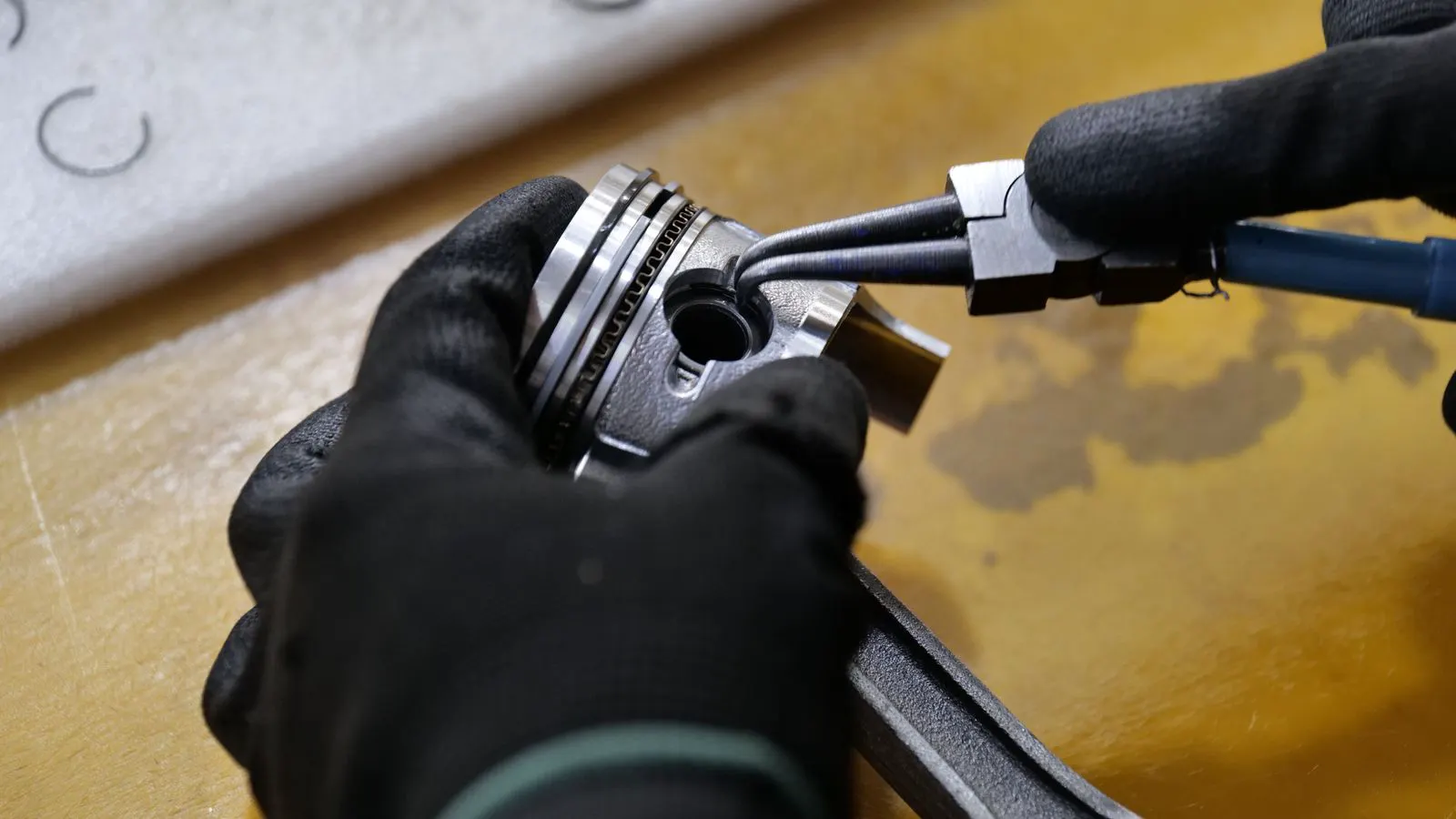
Combining materials affects cnc lead time vs cost mixed materials because machining, assembly, and quality checks add steps. You must balance multi material cnc sourcing options against assembly lead time to avoid delays and overpaying.
- Multi material parts add setup, changeover, and inspection steps that drive up both cost and lead time.
- A clear RFQ listing each material and finish lets suppliers quote cnc lead time vs cost mixed materials accurately.
- Assembly lead time often depends on the longest machining step, not the total number of materials.
- Comparing quotes fairly means checking whether a supplier bundles machining and assembly or separates them.
Why mixed materials change the quote
When you order a part that combines aluminum, stainless steel, and plastic on one assembly, the supplier must manage more than just cutting. Each material needs a different tool path, different coolant, and often a different tool. The machine operator must change setups, which takes time. That extra time shows up in the quote.
A typical mixed material part might have a stainless steel flange, an aluminum housing, and a plastic insert. The supplier must machine each piece, then join them. If you ask for a tolerance of 0.005 inches on the stainless flange and a looser fit on the aluminum housing, the operator must switch between high precision work and faster roughing. The cost reflects that shift in attention.
This is the core of cnc lead time vs cost mixed materials. The more different materials you request, the more variables the supplier must control. The quote will show higher labor, more tooling, and more quality checks. Delivery time stretches because each material must reach its own spec before assembly.
What drives cost in multi material orders
Cost is not just material price. For mixed material parts, labor and setup are the big drivers. A single material part may use one setup for the whole job. A three material part needs three setups, three sets of fixtures, and three sets of inspection records.
The table below lists the main cost drivers for mixed material orders. Use it to check quotes from different suppliers.
| Cost Driver | Why It Matters |
|---|---|
| Material changeover | Each material needs new tools and fixtures, adding machine time |
| Tolerance level | Tighter tolerances on hard materials like stainless steel take longer |
| Finish requirement | Surface finish on one material may require extra passes or deburring |
| Assembly method | Welding, fastening, or adhesive adds labor and inspection |
| Inspection | Each material may need separate dimensional checks or hardness tests |
A supplier that charges more for tighter tolerances is not always overpricing. A 0.005 inch tolerance on Inconel requires a skilled operator and more passes. The cost reflects the risk. If you relax the tolerance, the lead time drops and the price drops.
How lead time expands with assembly
Assembly lead time often surprises buyers. They expect the lead time to be the longest machining step, but it is usually longer. Why? Because the parts must all be ready before assembly begins.
Imagine a mixed material actuator with a steel shaft, an aluminum body, and a plastic gear. If the steel shaft takes five days to machine and the aluminum body takes two days, the assembly cannot start until day five. But the plastic gear may take three days. The supplier still waits for the steel shaft. That is the critical path.
If you need the part by a specific date, you must ask about assembly lead time. The supplier may be able to start machining the aluminum and plastic while the steel is still in the queue. But they cannot assemble until all pieces arrive. Some suppliers can split the order and ship subassemblies early. Others wait until the final part is done.
This is why multi material cnc sourcing requires a conversation, not just an email. Ask how the supplier sequences the work. Ask if they can start on the longest lead material first. Ask if they can send a partial assembly for early testing.
How to write a clear RFQ
A vague RFQ leads to quotes that are hard to compare. If you send a drawing with three materials but do not specify tolerances, finishes, or assembly method, each supplier will fill in the gaps with their own assumptions. One supplier may assume a loose fit. Another may assume a press fit. The quotes will differ for reasons you did not intend.
For multi material cnc sourcing, your RFQ must list each material, each tolerance, each finish, and the assembly method. Include the quantity. Include the delivery date. Include whether you need a prototype or a production run. Include whether you need packaging and inspection reports.
A good RFQ looks like this:
- Part name and drawing number.
- Material list with grades and standards.
- Tolerance for each feature.
- Surface finish for each material.
- Assembly method, such as fastening, welding, or adhesive.
- Quantity and delivery date.
- Request for lead time breakdown by material.
This structure forces the supplier to quote cnc lead time vs cost mixed materials clearly. You can see exactly where the time and money go. You can also spot if a supplier is hiding assembly costs in a lump sum.
How to compare quotes fairly
Two suppliers may give different prices for the same part. One may be cheaper because they use a looser tolerance on the plastic insert. The other may be more expensive because they hold all tolerances to your drawing. Do not pick the lowest price without checking the specs.
Check if the quote separates machining and assembly. Some suppliers bundle them. Others list machining, finishing, and assembly separately. A bundled quote is harder to compare. Ask for a breakdown. If a supplier refuses to break down the cost, that is a warning sign.
Also check the lead time. A supplier with a shorter lead time may be using less skilled operators or fewer inspection steps. A supplier with a longer lead time may be doing more quality checks. For critical parts, the longer lead time may be worth the extra cost. For non critical parts, the shorter lead time may save money.
When you compare quotes, ask each supplier how they handle material changeover. Ask if they use the same machine for all materials or different machines. Ask if they can start on the longest lead material immediately. These answers reveal how the supplier manages cnc lead time vs cost mixed materials in practice.
When to split the order
Sometimes it makes sense to split a mixed material part into separate orders. If the stainless steel flange has a long lead time and the aluminum housing has a short lead time, you can order the flange first. You can order the aluminum housing later. The supplier can assemble when both are ready.
This approach reduces the total lead time if the supplier can work on the aluminum housing while the stainless steel is in the queue. It also reduces the cost if the supplier has a discount for smaller batches. But it adds complexity. You must track two orders. You must ensure the parts fit together. You must manage the assembly schedule.
Splitting the order works best when the materials have very different lead times. It works less well when the parts must be machined to very tight tolerances together. If the fit depends on both pieces being precise, the supplier may prefer to machine them in sequence on the same fixture.
Final checks before placing the order
Before you place the order, run through a final checklist. Confirm the material grades. Confirm the tolerances. Confirm the finish. Confirm the assembly method. Confirm the delivery date. Confirm who performs the final inspection.
If you need a tight fit, ask if the supplier can do a trial assembly. A trial assembly catches fit issues early. It also builds confidence in the supplier. If you are ordering a large production run, ask for a sample for inspection before the full run starts.
The goal is simple. You want a part that arrives on time and fits correctly. You also want to pay a fair price. By understanding cnc lead time vs cost mixed materials, you can make that balance. You can ask the right questions. You can compare quotes with confidence. You can deliver a product that works.
Frequently asked questions
How does combining materials affect the total lead time?
Combining materials adds setup and changeover time. Assembly also adds time because all parts must be ready before joining.
Is it cheaper to order each material separately?
Sometimes. Separate orders can reduce setup cost, but they add tracking and shipping. Ask the supplier for a comparison before deciding.
What is the biggest cost driver in mixed material parts?
Tolerance level and finish requirement are often the biggest cost drivers. Tight tolerances on hard materials take more time and skilled labor.
How can I reduce assembly lead time?
Ask the supplier to start on the longest lead material first. You can also request a partial assembly for early testing.
Do I need to specify the assembly method in the RFQ?
Yes. Specifying the assembly method helps the supplier quote accurately and avoid assumptions that lead to fit problems.