How Part Geometry Affects CNC Machining Cost and Time
Part geometry directly drives CNC machining costs and lead times by influencing material waste, tooling, and setup. Simplifying shapes, standardizing features, and reducing complexity lowers expenses and accelerates delivery. Procurement managers should review drawings for manufacturability before requesting quotes.
- Internal pockets and deep cavities increase drilling time and tooling costs.
- Sharp internal corners and thin walls often require additional finishing or lead to breakage.
- Standardizing hole sizes and avoiding complex undercuts simplifies the manufacturing process.
- Clear drawings with tolerances reduce rework and expedite communication.
- Early collaboration with manufacturers helps identify cost-effective design alternatives.
How Part Shape Influences Machining Time
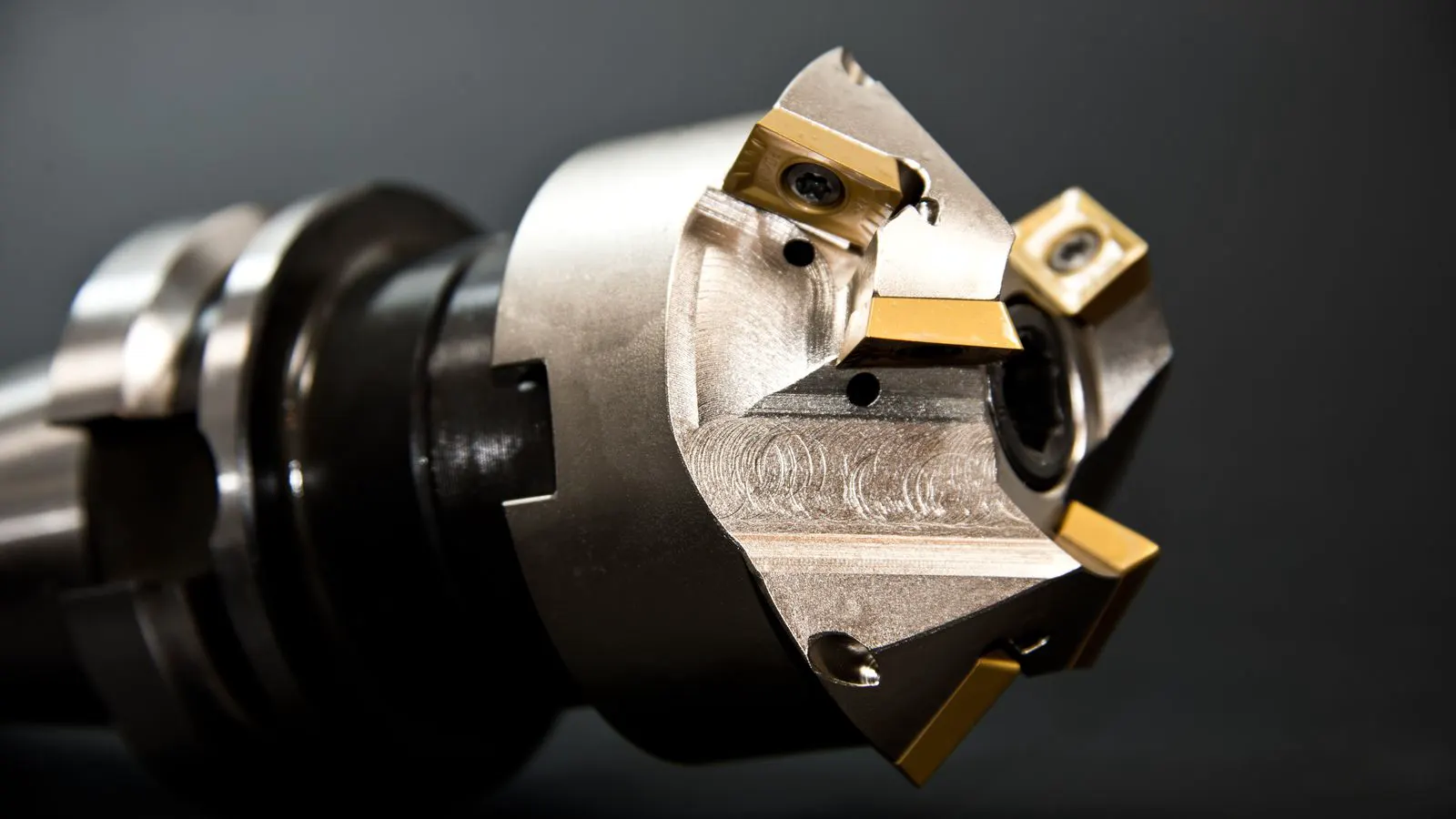
Part geometry is the single largest variable in CNC machining costs and lead times. A simple block of aluminum takes minutes to cut, while a complex bracket with internal channels can take hours. The machine must move, cut, and clear chips in every direction required by the design. More complex shapes demand more tool changes, more setup, and longer cycle times.
When procurement teams review drawings, they often focus on material and quantity. However, geometry dictates the actual labor and machine time. A part that looks simple in 3D but has hidden deep pockets or tight internal features may cost significantly more than a visually similar part with straightforward geometry.
Key Geometric Features That Drive Cost
Several specific design elements consistently increase manufacturing complexity. Understanding these features helps procurement managers negotiate fair quotes and identify opportunities for cost reduction.
- Internal pockets and cavities: Deep internal spaces require long, thin tools that are prone to breakage. They also slow down cutting speeds because of the need for careful chip evacuation.
- Undercuts and overhangs: Features that hang over or are inaccessible from one side require multiple setups or specialized fixtures. This increases handling time and labor.
- Thin walls and sharp corners: Walls thinner than the tool diameter or internal corners with zero-radius radii are difficult to machine accurately. They often require additional finishing passes or risk tool damage.
- Concentric features and deep holes: Holes that are deep relative to their diameter require specialized drilling techniques or peck drilling cycles, which extend cycle time.
- Complex surface contours: Curved surfaces that change direction frequently require 5-axis machining or multiple setups, increasing setup time and cost.
How Lead Time Responds to Design Complexity
Lead time is not just about cutting time. It includes setup, tooling preparation, inspection, and quality control. A part with high geometric complexity often requires more extensive quality checks because of the increased risk of errors.
For example, a simple flat plate can be batch-produced quickly with minimal inspection. A complex aerospace bracket, however, may require dimensional inspection of every feature, X-ray testing for internal voids, or specialized surface finish verification. These steps add days to the schedule, even if the actual cutting time is short.
Procurement teams should ask manufacturers about their setup procedures. If a design requires multiple fixtures or specialized tooling, the lead time will reflect that additional preparation work. Simplifying geometry reduces not just cutting time but also the administrative and logistical burden of manufacturing.
The Role of Tolerances in Cost and Speed
Tolerances are often overlooked in early design stages, but they have a direct impact on cost. Tighter tolerances require slower cutting speeds, more frequent tool changes, and more rigorous inspection. A part that requires ±0.1mm tolerance costs more and takes longer than the same part with a ±0.5mm tolerance.
Procurement managers should review drawings for critical dimensions and non-critical dimensions. Applying tight tolerances only where functionally necessary can significantly reduce costs. For example, a mounting hole that does not need to be precisely aligned may not require a tight tolerance, allowing the machine to cut it faster with standard tools.
When writing an RFQ, specify tolerances clearly on the drawing. Ambiguous or missing tolerances often lead to manufacturers using standard values, which may be more expensive than necessary. Clear specifications help ensure fair pricing and faster production.
How to Write a Clear RFQ for Better Quotes
A clear RFQ is essential for obtaining accurate and comparable quotes from multiple CNC machining providers. Ambiguity in drawings or specifications often leads to rework, additional communication, and higher costs.
- Provide 3D CAD models with 2D drawings. 2D drawings should include critical dimensions, tolerances, and material specifications.
- Specify surface finish requirements. State whether standard finish is sufficient or if a specific Ra value is needed.
- List any special processes. If a part requires heat treatment, anodizing, or plating, include these in the RFQ.
- Define quantity and delivery schedule. Volume discounts and expedited production options are often based on quantity and timeline.
- Mention any existing tooling. If you have previous tooling or fixtures, state that clearly to avoid duplicate costs.
A well-structured RFQ reduces the time manufacturers spend interpreting your requirements. This allows them to provide more accurate quotes and identify potential design improvements before production begins.
How to Compare Quotes Fairly
Comparing quotes from different CNC machining providers can be challenging when designs vary in complexity. To ensure fair comparison, focus on the cost drivers listed below rather than just the final price.
| Cost Driver | Impact on Price | Impact on Lead Time |
|---|---|---|
| Material selection | Higher cost for exotic materials | May increase lead time if sourcing takes longer |
| Geometry complexity | More setup and tooling costs | Longer cutting and setup times |
| Tolerance requirements | Slower cutting and more inspection | Additional quality control time |
| Quantity | Volume discounts may apply | Batch processing can reduce per-unit time |
| Surface finish | Additional machining or finishing | Extra processing steps |
| Special processes | Additional labor and equipment | Additional time for treatment or coating |
When reviewing quotes, ask manufacturers to break down costs by setup, material, and machining. This transparency helps identify where costs are driven and where design changes might reduce expenses. It also allows you to compare apples to apples, even if the quotes come from different providers with different internal cost structures.
Practical Design Changes That Reduce Cost and Time
Small changes to part geometry can have a significant impact on manufacturing costs and lead times. Procurement teams should work with engineers to review designs for manufacturability before releasing them for production.
- Increase internal corner radii: Replace sharp corners with small radii to reduce tool wear and improve cutting efficiency.
- Reduce pocket depth: Shallow pockets are faster to machine than deep ones. If possible, split deep features into two shallower sections.
- Standardize hole sizes: Use standard drill bit sizes to reduce tool changes and setup time.
- Avoid undercuts: Design features that can be accessed from one side to eliminate the need for multiple setups.
- Simplify surface contours: Use flat or gently curved surfaces instead of complex free-form shapes when possible.
These changes are often low-cost to implement but high-impact for manufacturing. They reduce tooling requirements, minimize setup time, and lower the risk of errors.
Conclusion
Part geometry is a critical factor in CNC machining costs and lead times. By understanding how shape complexity affects manufacturing, procurement managers can make informed decisions that reduce expenses and accelerate delivery. Reviewing designs for manufacturability, writing clear RFQs, and comparing quotes fairly are key steps in optimizing the procurement process. Collaboration between engineering and manufacturing teams ensures that designs are both functional and cost-effective from the start.
Frequently asked questions
How does internal pocket depth affect CNC machining cost?
Deeper pockets require longer tools that are more prone to breakage and slower cutting speeds. This increases both tooling costs and cycle time.
Can I reduce lead time by simplifying part geometry?
Yes. Simplifying geometry reduces setup time, tool changes, and inspection requirements, all of which contribute to shorter lead times.
What is the most common mistake in CNC part design?
Applying tight tolerances to non-critical features. This unnecessarily increases machining time and cost.
How should I specify tolerances in an RFQ?
Clearly define critical dimensions and tolerances on the drawing. Specify non-critical dimensions with standard tolerances to avoid over-machining.
Does material choice affect geometry-related costs?
Yes. Harder materials like stainless steel or titanium require slower cutting speeds and more robust tooling, which amplifies the cost impact of complex geometry.