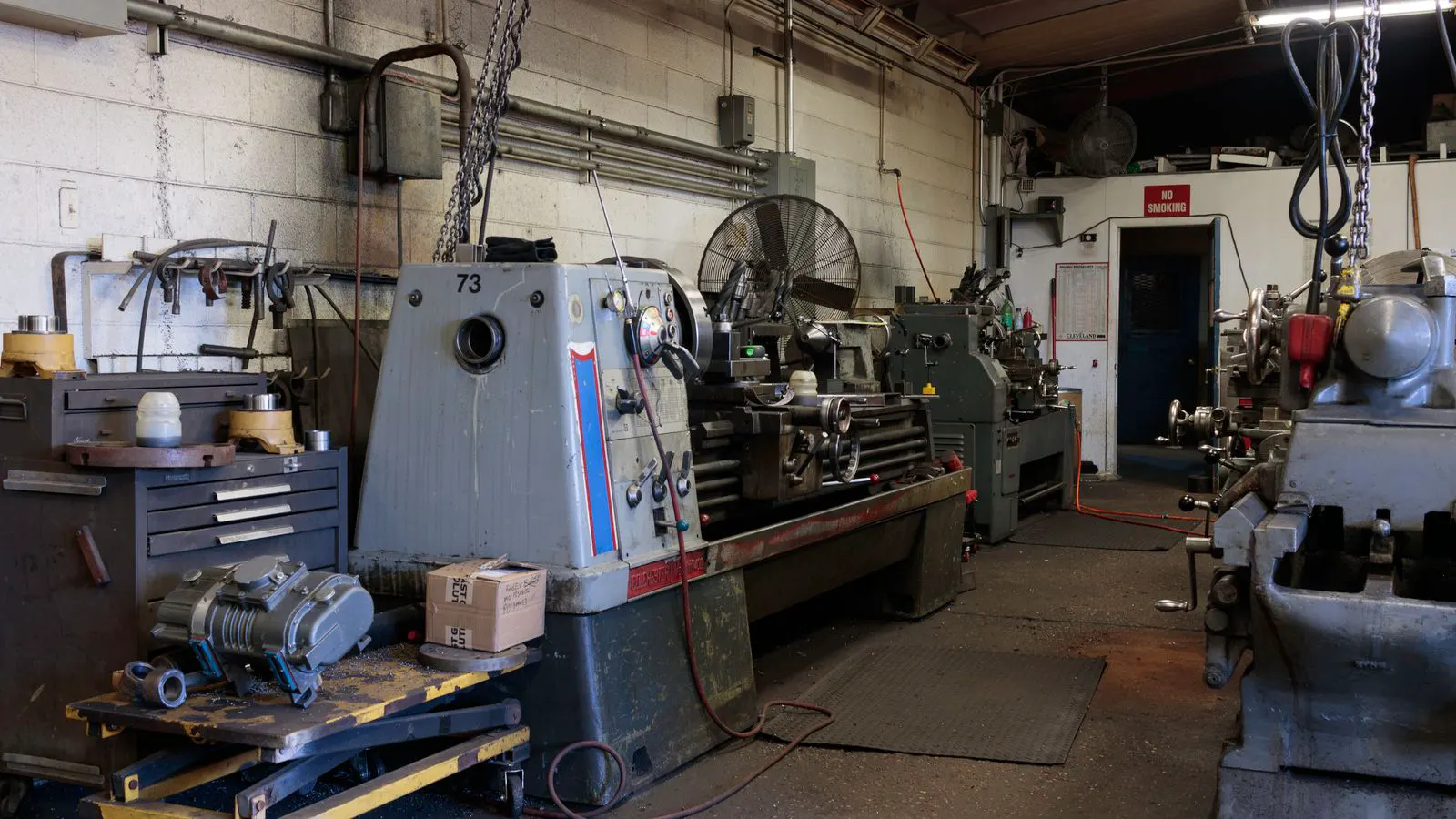
CNC Machining: Aluminum vs Stainless Steel Cost
Aluminum is generally cheaper and faster to machine than stainless steel. The cost difference stems from material price, cutting speeds, and tool wear. Choosing the right metal depends on strength needs, finish requirements, and batch size.
- Aluminum usually costs less per part due to lower material price and higher cutting speeds.
- Stainless steel is harder to machine but offers superior corrosion resistance and strength.
- Tool wear and cycle time are the main drivers of the cost gap between these two metals.
- Always verify if the quote includes setup, tooling, and post-processing in the final price.
Why material choice changes the quote
The first line of every CNC machining estimate reflects the metal selected. Aluminum and stainless steel are the two most common choices for structural and cosmetic parts. The price difference is not just about the raw bar or plate. It is about how the machine behaves when the spindle engages the material.
An engineer often sees a quote for a stainless bracket and asks why it is double the price of an identical aluminum bracket. The answer lies in three areas. Material cost, cycle time, and tool consumption. Aluminum is soft. It cuts fast. Stainless is tough. It cuts slow. The machine operator sees this immediately, and the shop’s pricing model reflects it.
When comparing aluminum versus stainless, do not look only at the material price per kilogram. A low-cost material can still result in a high part cost if it requires excessive finishing or if the part design fights the material properties. The goal is to match the metal to the part function.
How the cost breakdown works
To understand the cnc machining cost, you need to break the quote into layers. The raw material is only one slice of the pie. Most quotes include a setup fee, the machining labor, and sometimes a finishing surcharge.
| Cost Layer | Aluminum Profile | Stainless Profile |
|---|---|---|
| Raw Material | Low. Abundant and light. | Higher. Denser and more expensive per kg. |
| Cycle Time | Short. High feed rates and speeds. | Long. Lower feed rates and speeds. |
| Tooling | Standard carbide. Less wear. | Specialized carbide. Significant wear. |
| Fixturing | Easier. Less clamping force needed. | Harder. Requires rigid clamping. |
| Post-Processing | Light. Minimal polishing or passivation. | Heavier. Often needs passivation or deburring. |
The table above shows where the money goes. For a small batch of five parts, the setup fee dominates. For a batch of five hundred, the machine time becomes the driver.
In the aluminum case, the operator can run high speeds. The chips are long and stringy, but they clear away quickly. In the stainless case, the chips are short and sticky. They tend to wrap around the tool. This requires more frequent tool changes and slower cutting. The machine spends more time on the part, and the shop charges for that time.
When to pick aluminum
Aluminum is the default choice for most non-structural parts. If the part needs to be lightweight, corrosion resistant, and easy to finish, aluminum is the standard.
Consider aluminum for:
- Cosmetic brackets and enclosures.
- Heat sinks and thermal management parts.
- Aerospace fasteners and light structures.
- Prototyping and small batch production.
The finish on aluminum is forgiving. It polishes well and takes anodization beautifully. If your part needs a mirror finish or a specific color coating, aluminum is easier to work with. The machining shop does not need to spend extra time on deburring or secondary operations.
However, aluminum has a limit. It is not for high-temperature applications. It is not for high-stress load bearing parts. If the part is a gear tooth or a structural beam, aluminum will not hold up. It will deform under load. For those applications, you need something harder.
When to pick stainless steel
Stainless steel is chosen when the part must survive harsh environments or high stress. 316 stainless is the common grade for chemical processing and marine applications. 304 stainless is common for food service and general industrial use.
Consider stainless for:
- Medical device components.
- Chemical processing equipment.
- Marine hardware.
- High-stress mechanical parts.
- Parts that must resist rust in outdoor conditions.
The cost of stainless is higher, but the life of the part is longer. A stainless valve stem will not rust in seawater. An aluminum stem will corrode and fail. The initial cost is higher, but the replacement frequency is lower.
For the CNC shop, stainless is a headache. The material work hardens. If the tool slows down, the metal gets harder, and the tool wears faster. This creates a feedback loop that increases cost. The shop must use specific tooling, often with a negative rake angle, to keep the edge sharp.
The impact of batch size
The cnc machining cost changes dramatically based on volume. In a small batch, the fixed costs are high. Setup, programming, and first article inspection all happen once. In a large batch, those costs are spread over many parts.
For a batch of ten aluminum parts, the setup fee might be twenty percent of the total cost. For a batch of ten thousand, the setup fee is less than one percent.
Stainless amplifies this effect. Because the cycle time is longer, the machine is tied up for more minutes per part. If you order fifty parts, the machine runs for hours. If you order five hundred, it runs for days. The shop must allocate that time to you, and not to other jobs.
Small batches of stainless are expensive. Large batches of aluminum are cheap. If you are prototyping, use aluminum to test the form. Once the design is approved, you can switch to stainless for production if the function requires it.
Fixturing and hidden costs
Do not ignore the cost of holding the part in place. Aluminum is light and easy to clamp. A simple vise or a set of pins can hold it firmly. Stainless is dense and often requires more force to keep it from moving during cutting.
If the part is thin-walled, aluminum might flex. Stainless might vibrate. Both require careful fixturing. The quote should include a “setup” or “fixturing” line item. If it is missing, it is likely hidden in the labor cost.
A complex part with many features might require multiple setups. If you flip the part to machine the other side, that is a second setup. Each setup adds time and labor. Aluminum is faster to flip and clamp. Stainless takes longer to secure.
When reviewing a quote, ask for a breakdown. Ask if the price includes tooling. Ask if the price includes deburring and cleaning. These small items add up. A part that is quoted at a low price might end up higher after the shop adds the finishing fees.
How to verify the quote
Use a checklist when comparing quotes from different vendors. The same part, made by two shops, can have different prices. One shop might be faster. The other might use better tooling.
Check for:
- Material grade. Is it 6061 aluminum or 6063? Is it 304 stainless or 316?
- Finish requirements. Is a raw finish acceptable, or do you need a specific surface texture?
- Tolerances. Tighter tolerances require slower cutting and more inspection.
- Batch size. Confirm the quantity in the quote.
- Setup fees. Are they separate or included?
If a quote is significantly lower than the others, ask why. They might be using a lower grade of material. They might be skipping a deburring step. They might be using a shared machine with high changeover times.
The cnc machining cost is not just a number. It is a reflection of the shop’s efficiency and the part’s complexity. A fair quote aligns with the material properties and the required finish.
Final selection strategy
Start with the function. What does the part do? If it holds a load, choose stainless or titanium. If it dissipates heat, choose aluminum. If it touches skin, choose a material that does not corrode.
If you are unsure, prototype in aluminum. It is cheap and fast. Test the fit and function. Once you are confident, order the production run in the required material. This reduces risk. You do not waste money on expensive stainless if the design is flawed.
Remember that lead time is part of the cost. If your production line stops because a stainless part is late, the cost of that downtime far exceeds the price of the part. A slightly more expensive aluminum part that arrives on time may be better than a cheap stainless part that arrives late.
Match the metal to the need. Check the quote for hidden fees. Verify the material grade. Do not choose based on price alone. Choose based on performance and total cost of ownership.
Frequently asked questions
Is stainless steel always more expensive than aluminum?
Yes, generally. Stainless steel has a higher material cost and requires more machine time. However, for very small, simple parts, the difference may be minimal.
Can aluminum be used for high-stress applications?
No. Aluminum is too soft for high-stress structural parts. It will deform under load. Use stainless steel or a stronger alloy for those applications.
Does the batch size affect the cost difference?
Yes. In small batches, the setup fee dominates, and the material difference is less noticeable. In large batches, the longer cycle time for stainless makes the cost gap much wider.
What is the best material for a medical device part?
Stainless steel is standard for medical devices. It is non-toxic, corrosion resistant, and easy to sterilize. Aluminum is not suitable for most medical applications.
How do I know if a quote includes finishing?
Ask the vendor for a line-item breakdown. Look for terms like deburring, polishing, or passivation. If it is missing, assume it is included in the labor cost.