CNC Job Shop vs Contract Manufacturer: Lead Times

Job shops offer shorter setup times and flexibility for small batches, while contract manufacturers provide lower unit costs and stable long-term schedules. The choice depends on your volume, part complexity, and delivery urgency.
- Job shops prioritize speed and flexibility, often delivering small batches faster than larger facilities.
- Contract manufacturers reduce unit costs through automation and stable production schedules.
- Rush orders increase costs in both models, but contract manufacturers may have stricter penalties for delays.
- Multi-source production can balance speed and cost when your design requires both.
- Clear communication of part tolerances and materials prevents lead time delays.
What drives cnc lead time in small shops
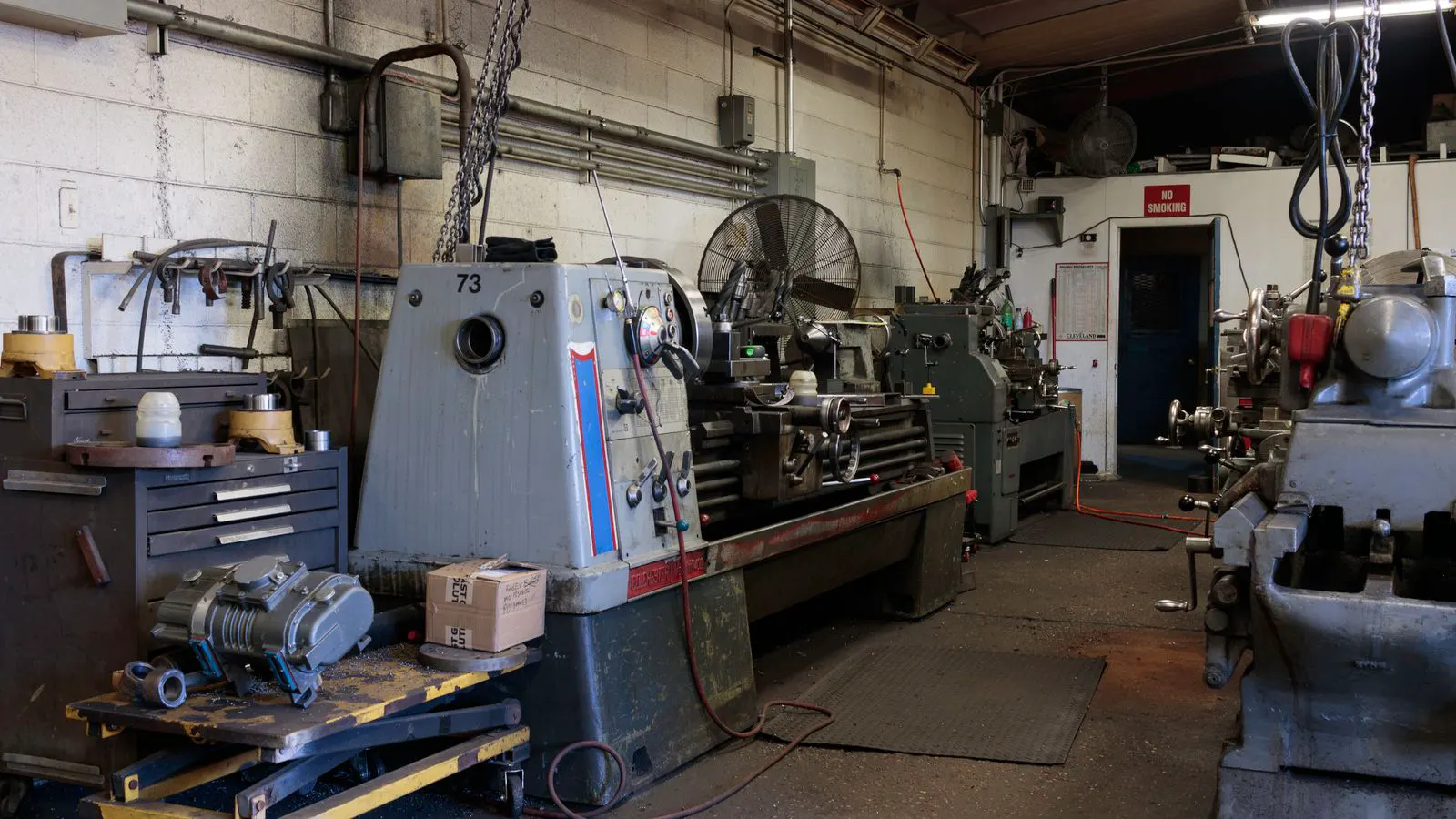
A job shop is a machine shop that handles multiple customers with varying part designs. It typically owns a mix of lathes, mills, and grinders. The team can switch setups quickly because the same machines serve many clients. This structure affects cnc lead time in two ways.
First, the shop has less inventory of tooling and fixtures. They may need to buy a new insert or make a custom vise. That adds days to the schedule. If a part requires a specific chamfer tool or a non-standard ball mill, the shop must order it. Delivery times for specialty tooling vary by region and supplier. The shop cannot start the operation until the tool is on the bench. This creates a dependency that is invisible to the customer but critical to the schedule.
Second, the shop runs many jobs in parallel. A new order may wait for an open spindle or a qualified operator. The floor is often a queue of work-in-progress. A new job might sit in a staging area for two days while the current job completes its setup. The operator has to clear the previous part, clean the machine bed, and load the new program. If the current job hits a tolerance issue, the entire queue shifts. The lead time is not just machine time. It is the time the part spends waiting for human attention.
For a bracket with three holes and a flat surface, a job shop can often quote a two to four week lead time. The operator sets up the machine, runs a test part, and then produces the batch. The process is manual at the start. The machine is not fully automated. The human operator checks dimensions every few parts. They use calipers, micrometers, or a bore gauge to verify the work. If the part drifts out of tolerance, they stop the cycle and adjust the tool offset. This manual checking ensures quality but limits the speed of production.
The cost structure follows. The shop charges for machine hours and labor. There is no large overhead to recover from a massive production run. The price per part is higher than a factory, but the total cost for a small batch can be lower. You pay for speed and attention. The shop is willing to work around the clock if the job is urgent. They may prioritize your part over a long-term client to secure the next order. This flexibility is the primary value proposition of the small shop model.
How contract manufacturers scale production
Contract manufacturers run larger facilities with dedicated production lines. They often have five-axis mills, turning centers, and heat treat capabilities under one roof. Their goal is to keep machines running at high utilization. Every idle minute is a lost margin. The floor is organized by process flow rather than customer order. Parts move from receiving to machining to inspection to shipping in a standardized sequence.
Their cnc lead time is longer for the first article. They need to program the part, validate the toolpath, and run a first article inspection. This phase can take two to six weeks. The reason is quality control. They must prove the part meets the drawing before releasing it to production. The engineering team reviews the CAD model and the CAM file. They check for collisions, tool interference, and material removal efficiency. The shop then runs a first article on the machine. An inspector measures every feature against the drawing. They create a report that documents the results. Only after this report is signed off by the customer does the shop begin full production.
Once the part is approved, production moves fast. The machines run overnight with minimal intervention. The cost per part drops. The labor cost is spread over thousands of units. The tooling is reusable. The operator monitors alarms rather than measuring every part. They may check a sample of five parts per shift using a CMM or a manual gauge set. The process is controlled. Deviations are caught by statistical process control charts. If the mean shifts, the operator stops the machine and adjusts the parameters. This discipline keeps the unit cost low but makes the system sensitive to any change in the input.
The trade-off is rigidity. Changing the design halfway through a run is difficult. The schedule is locked. If you need to add a feature or change a tolerance, the lead time extends. The factory must reprogram the CAM file. They must revalidate the toolpath. They may need to retool the machine if the new feature requires a different holder or insert. The production line must stop to accommodate the change. Other jobs in the queue are delayed. The cost of a change order is high. It includes engineering time, re-inspection time, and the cost of any scrap generated during the transition.
Cost and speed trade-offs at different volumes
The choice between a job shop and a contract manufacturer depends on your volume. For a prototype or a small batch of fifty parts, a job shop is usually the better fit. The setup cost is absorbed by the hourly rate. The lead time is shorter. You can walk the floor and inspect parts in person. The shop can make adjustments on the spot. If a hole is slightly off, the operator can fix it before the next part is cut. This direct feedback loop accelerates the design validation process.
For a batch of five thousand parts, the math shifts. The contract manufacturer’s first article cost is higher, but the unit cost is lower. The job shop will spend more labor hours on the same part. The contract manufacturer will spend less. The lead time for the first part is longer, but the total delivery date for the full batch may be similar or shorter. The job shop might quote a two-week lead time for the first part and a six-week lead time for the full batch. The contract manufacturer might quote a four-week lead time for the first part and a six-week lead time for the full batch. The difference is in the cost per unit. The contract manufacturer’s pricing structure is designed to scale. The job shop’s pricing structure is designed to respond.
For a production run of fifty thousand parts, the contract manufacturer is the standard choice. The job shop may not have the capacity. The contract manufacturer has the tooling and the process control to keep the cost down. They can run multiple machines on the same part simultaneously. They can manage the material supply chain to prevent shortages. They can handle the quality documentation required for automotive or medical industries. The job shop would need to coordinate multiple shifts and potentially multiple vendors to meet this volume. The complexity of coordination increases the risk of delay and cost overrun.
When to pick a job shop
Pick a job shop when your part is new or changing. You are still refining the design. You need to test fit, function, and form. The job shop can make a small batch, you inspect it, and you send it back for changes. The cost of a second batch is higher, but the risk of committing to a large run is low. You are not locked into a tooling investment. You are not locked into a specific process. You can change the material if the prototype reveals that a lighter alloy is needed. You can change the tolerance if the assembly does not fit. The job shop absorbs this risk because their revenue comes from the labor and machine time, not from the tooling.
Pick a job shop when you need a custom fixture. The part has an unusual geometry or requires a specific clamping method. The job shop will design and build the fixture as part of the job. The contract manufacturer may not be willing to build a one-off fixture for a small order. They prioritize standardized operations. A custom fixture requires time to design, machine, and test. For a small order, the cost of the fixture may exceed the value of the parts. The job shop sees it as a revenue opportunity. They charge for the fixture design and build. It is a separate line item in the quote.
Pick a job shop when you need expedited delivery. You need the parts in three days. The job shop can pull a part from the queue and run it first. The contract manufacturer has a fixed schedule. They cannot easily move a part up the line without disrupting other jobs. The job shop has more flexibility in its scheduling. The owner or manager can make a decision to prioritize your job. They may ask you to pay an expedite fee. This fee covers the overtime labor and the opportunity cost of delaying other customers. It is a trade-off between speed and price.
When to pick a contract manufacturer
Pick a contract manufacturer when your design is stable. The drawing is finalized. You know the material and the tolerance requirements. You need to produce parts for a product that will be sold to customers. The cost per part matters more than the speed of the first article. You have the capital to wait for the first article inspection. You have the documentation in order. You can provide the CAD file, the BOM, and the quality plan. The contract manufacturer uses this data to build their production plan. They can predict the material requirements and the labor hours. They can quote a firm price based on this data.
Pick a contract manufacturer when you need multiple processes. The part requires machining, heat treating, and surface finishing. The contract manufacturer can coordinate these steps internally. The job shop may need to outsource the heat treat, which adds lead time and hand-offs. Every hand-off is a risk. The part must be packed, shipped, inspected, and unpacked. There is a chance of damage or loss. The contract manufacturer keeps the part inside their facility. They can track it through each process. They can control the environment for each step. This integration reduces the total lead time and the risk of quality failure.
Pick a contract manufacturer when you need volume. You need ten thousand parts per month. The job shop may not have the capacity. The contract manufacturer has the space, the machines, and the workforce to run the batch. They can manage the inventory of raw stock. They can maintain a buffer of finished parts. They can handle the logistics of shipping large quantities. They have the scale to negotiate better material prices. They have the scale to run continuous production. The job shop is not designed for this level of throughput.
Table of options
| Option | Best for | Limitations |
|---|---|---|
| Job shop | Prototypes, small batches, custom fixtures | Higher unit cost, less capacity for large runs |
| Contract manufacturer | Stable designs, high volume, multi-process parts | Longer first article, slower to change design |
| Hybrid model | Mixed volumes, phased production | Complex coordination, higher management cost |
Managing lead time risk
No matter which model you choose, cnc lead time is affected by material availability. A job shop may have stock of common materials like 6061 aluminum or 1045 steel. A contract manufacturer will source materials from suppliers. If the supplier is late, the machine sits idle. The machine is not running. The labor is not productive. The cost of the idle time is passed to the customer or absorbed by the supplier.
You can reduce risk by specifying acceptable substitutes. If the part is for a non-critical feature, allow the use of a similar material. For example, if the part is a non-load-bearing bracket, you might allow 6061-T6 or 6061-O as acceptable grades. This gives the supplier flexibility to use what is in stock. If the part is critical, define the material grade and require mill certificates. You must verify the chemical composition and mechanical properties. The mill certificate is a document that proves the material meets the specification. Without it, you cannot release the part for critical use.
You can also reduce risk by splitting the order. Send the first fifty percent to a job shop for speed. Send the second fifty percent to a contract manufacturer for cost. This balances delivery and budget. You get the parts you need now for testing or early production. You get the bulk of the parts at a lower cost. You must manage two suppliers. You must ensure both use the same revision of the drawing. You must coordinate the delivery dates so they arrive in the same window. This approach adds administrative complexity but reduces the risk of a single point of failure.
You must also manage communication. Send the drawing with clear tolerances. Mark critical dimensions. Specify the surface finish. Ask for a first article inspection report. These steps prevent rework and delays. Ambiguity in the drawing leads to interpretation errors. If the drawing says “flat” without a tolerance, the shop might use a standard flatness tolerance. If you need a tighter tolerance, you must specify it. If the drawing does not specify the surface finish, the shop will use the standard for the material. If you need a specific finish, you must specify it. Clear communication reduces the need for change orders.
Final decision factors
The decision comes down to three questions. What is the volume? What is the risk of design change? What is the delivery date? If the volume is low and the design is changing, choose a job shop. If the volume is high and the design is stable, choose a contract manufacturer. If you need both, consider a hybrid approach.
The cnc lead time is not just a number on a quote. It is a reflection of the supplier’s capacity, process, and risk tolerance. A job shop sells flexibility. A contract manufacturer sells efficiency. Your part needs one or the other, or both.
Frequently asked questions
What is the typical cnc lead time for a job shop?
A job shop can often deliver small batches in two to four weeks. The lead time depends on the complexity of the part and the current workload of the shop.
How much longer is the lead time for a contract manufacturer?
The first article for a contract manufacturer can take two to six weeks. The production run itself may be shorter if the machines are automated and the schedule is stable.
Can I use both a job shop and a contract manufacturer for the same project?
Yes. You can use a job shop for prototypes or small batches and a contract manufacturer for high-volume production. This approach balances speed and cost.
What causes delays in cnc lead time?
Delays usually come from material shortages, design changes, or capacity constraints. Clear communication and stable drawings reduce these risks.
How does rush order pricing differ between job shops and contract manufacturers?
Both models charge a premium for rush orders. The job shop may charge a higher percentage, while the contract manufacturer may charge a fixed fee for expediting.