Explainer: What is CNC Setup Time and How to Minimize It

CNC setup time covers the work needed to get a machine ready for production, from loading fixtures to zeroing tools. Reducing it requires smart cnc machine selection, better tooling, and tighter process planning to improve throughput in cnc machining processes.
- Setup time includes fixture loading, tool zeroing, program loading, and first-piece inspection.
- Selecting a machine with quick-change tooling and automated loading reduces changeover minutes.
- Standardized clamping and fixture design cuts manual handling and adjustment cycles.
- Pre-programmed tool paths and verified first articles speed up the start of production.
- Tracking setup metrics helps identify which cnc machining processes need improvement.
What CNC Setup Time Actually Includes
CNC setup time is the duration between when a machine is idle and when it begins cutting the first production part. It is not just the time the operator spends standing at the control. It includes every action required to move from one part to another, including fixture preparation, tool loading, program verification, and initial quality checks.
Many facilities underestimate this window because it happens outside the cutting cycle. In a cnc machining processes schedule, setup time often sits between batches and can become the largest hidden cost in the production plan. When setup is long, the machine spends more time adjusting than producing. When setup is short, the same machine can run more parts per shift.
The total setup time usually breaks into four components: fixture change, tool change, program and offset setup, and first-piece validation. Each component can be shortened with the right machine features and process habits.
How Machine Selection Changes Setup Time
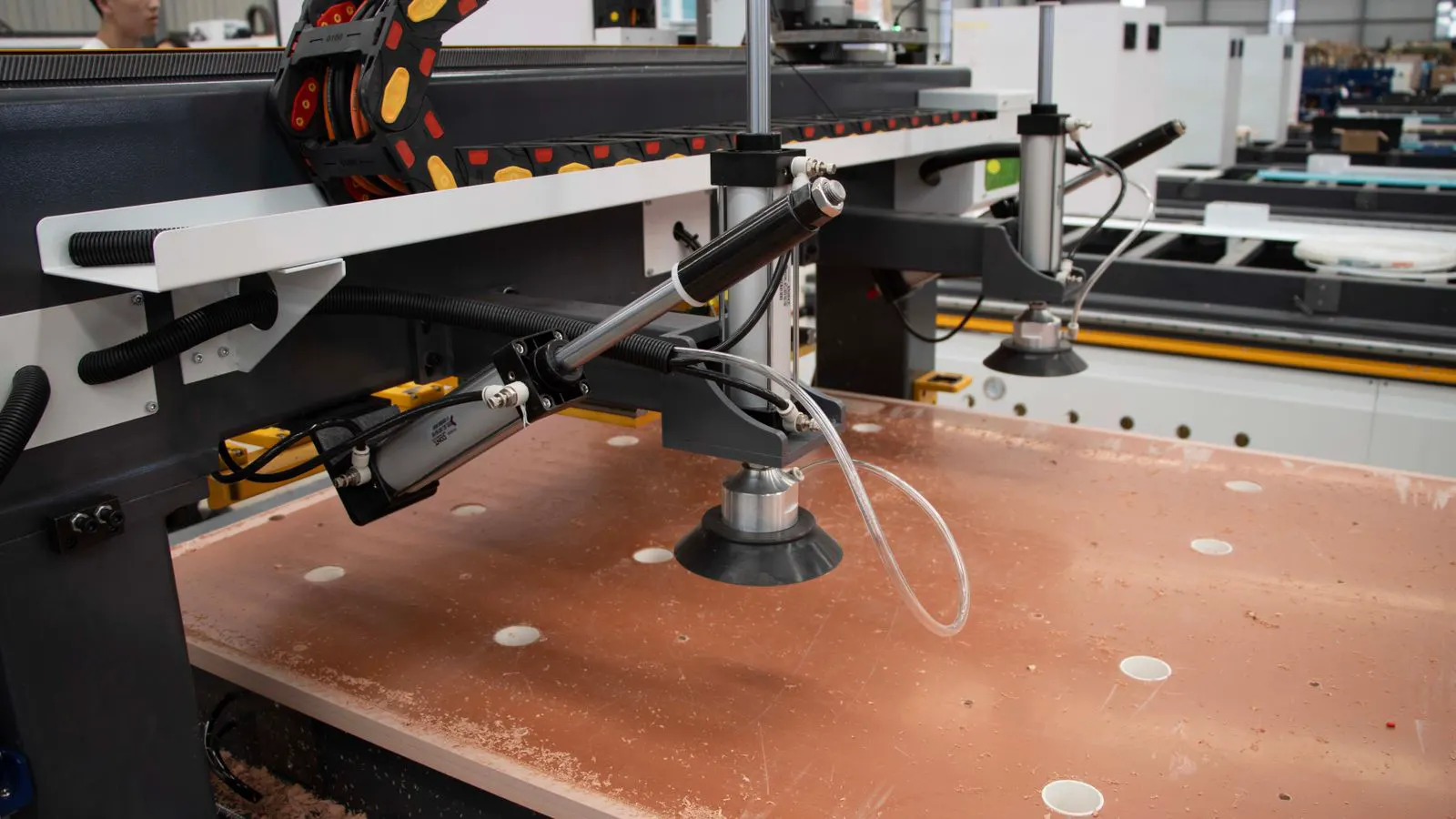
CNC machine selection directly affects how quickly an operator can complete a changeover. A machine with a large tool turret, automatic tool changer, and high spindle speed can reduce tool change time. A machine with a quick-change fixture table or pneumatic clamping system can cut fixture setup time.
The key is matching machine capability to part complexity. A simple turned shaft does not need a five-axis mill with a long setup cycle. A complex aerospace bracket may benefit from a machine that holds more tools in the turret, because fewer tool swaps are needed.
When sourcing, look at the tool capacity and changeover method. A machine with fifty tool positions can handle many tools without offloading. A machine with only ten positions may require the operator to remove and replace tools between operations. That extra handling adds minutes to the setup.
Fixture design also depends on machine interface. A machine with a standardized vise or pallet system allows fixtures to be swapped quickly. A machine with a non-standard table may require custom clamping, which takes longer to install and adjust.
Fixture and Clamping Impact
The fixture is the base that holds the workpiece. If the fixture is heavy, awkward, or difficult to align, setup time increases. A good fixture is designed for repeatability. It should position the part the same way every time, without requiring the operator to re-check alignment.
One common mistake is using a general-purpose vise for every job. A vise is fine for simple flat parts, but it can be slow for complex geometries. A dedicated fixture with pins, locators, and clamps can hold a part in seconds. The operator only needs to confirm the clamps are engaged and the part is secure.
For turned parts, a collet or chuck setup can be fast. For milled parts, a soft-jaw vise or custom fixture may be better. The goal is to reduce the number of manual adjustments. Every adjustment adds time and the risk of error.
A numbered list of typical fixture steps shows how quickly the setup can grow:
- Clean the machine table and fixture base.
- Load the workpiece into the fixture.
- Engage clamps or pins.
- Verify part position with a probe or visual check.
- Secure the fixture to the machine table.
Each step is short, but together they add up. If the fixture is poorly designed, step four may require rework. If the workpiece is irregular, step three may take longer.
Tooling and Program Setup
Tool setup is the process of loading cutting tools into the machine and telling the controller where their zero points are. A tool that is not zeroed correctly can crash the machine or produce a part out of tolerance. This is why tool setup is part of cnc machining processes quality control.
A machine with automatic tool changing reduces this time. The operator loads tools into the turret during a previous job. The controller already knows the tool numbers and offsets. When the next job starts, the machine retrieves the tools in sequence.
A manual machine may require the operator to load each tool one by one. This is slow and error-prone. It also increases the chance of mixing up tools, which can lead to scrap.
Program setup is the step where the operator loads or verifies the G-code and checks for missing tools or incorrect offsets. A pre-verified program reduces this step. If the program has been tested on a first article, the operator can load it with confidence. If the program has not been tested, the operator may need to run a single-pass trial, which adds time.
The table below shows how different machine features affect setup time:
| Machine Feature | Effect on Setup Time |
|---|---|
| Large tool turret | More tools available, fewer swaps |
| Automatic tool changer | Reduces manual tool loading |
| Quick-change fixture | Faster part changeover |
| Probe capability | Faster part zeroing |
| Standardized tool holders | Easier tool loading |
A machine with a probe can automatically find the part zero. This removes the need for the operator to manually set the X, Y, and Z origins. For complex parts, this can save significant time.
First-Piece Validation
First-piece validation is the check that ensures the first part is correct before the machine runs the full batch. It includes measuring critical dimensions and checking the finish. If the first part is bad, the operator stops the machine, corrects the issue, and restarts. That correction time is part of setup.
A well-planned first-piece check uses a checklist. The operator measures the most critical features first. If those pass, the part is likely acceptable. If they fail, the operator can adjust the offset or tool before cutting more material.
This step is not optional. Skipping it can lead to a batch of rejected parts, which is far more expensive than a few minutes of inspection. In cnc machining processes, the first piece sets the tone for the rest of the run.
How to Reduce Setup Time in Practice
Reducing setup time requires changes across the whole production flow, not just on the machine. Start by measuring the current setup time. Time each step from when the machine is ready to when the first part is cut. Identify the longest step. That is where the biggest gain is available.
Next, look at fixture design. If the fixture is slow to load or align, redesign it. Use standard locators and clamps. Make the fixture easy to clean and inspect. A fixture that takes one minute to set up is better than a fixture that takes five.
Tooling selection matters too. Use standard holders that fit the machine tooling system. Keep a stocked set of common tools on hand. If the operator has to search for a tool, setup time increases.
Program preparation is another area. Pre-load programs and verify tool lists before the machine is needed. A program that is ready to run reduces the operator’s time at the console.
Finally, train the operator. A trained operator can set up faster and make fewer errors. They know the machine, the fixture, and the part. They can anticipate problems and solve them quickly.
How This Affects Sourcing Decisions
When sourcing CNC parts, setup time affects the lead time and cost. A supplier with short setup time can switch to a new part faster. This is useful for low-volume or multi-part jobs. A supplier with long setup time may be better for high-volume production of a single part.
If you are comparing quotes, ask about the setup process. How long does it take to switch to a new part? What is the tooling strategy? How is the first piece verified? These answers reveal the supplier’s process maturity.
For your own production, cnc machine selection should consider setup time as a core factor. A machine that is slightly more expensive but faster to set up can pay for itself over time. The goal is to minimize the time between jobs and maximize the cutting time.
Frequently asked questions
What is the biggest part of CNC setup time?
Fixture change and tool change are often the largest components. They require manual handling and alignment, which adds time to the changeover.
Can a cheaper CNC machine have shorter setup time?
Yes, if it has quick-change fixtures, a large tool turret, and good automation. The machine price is not the only factor. The setup features matter too.
How does fixture design affect setup time?
A well-designed fixture holds the part quickly and repeatably. A poorly designed fixture requires more adjustment and checking, which slows the setup.
What is the role of first-piece inspection in setup time?
First-piece inspection is part of setup. It confirms the part is correct before the full run starts. It prevents scrap but adds a few minutes to the setup.
How can I reduce setup time without buying new equipment?
Standardize fixtures, pre-load programs, and train operators. Small process changes can cut setup time significantly without major capital investment.