Explainer: CNC Milling vs Turning Basics

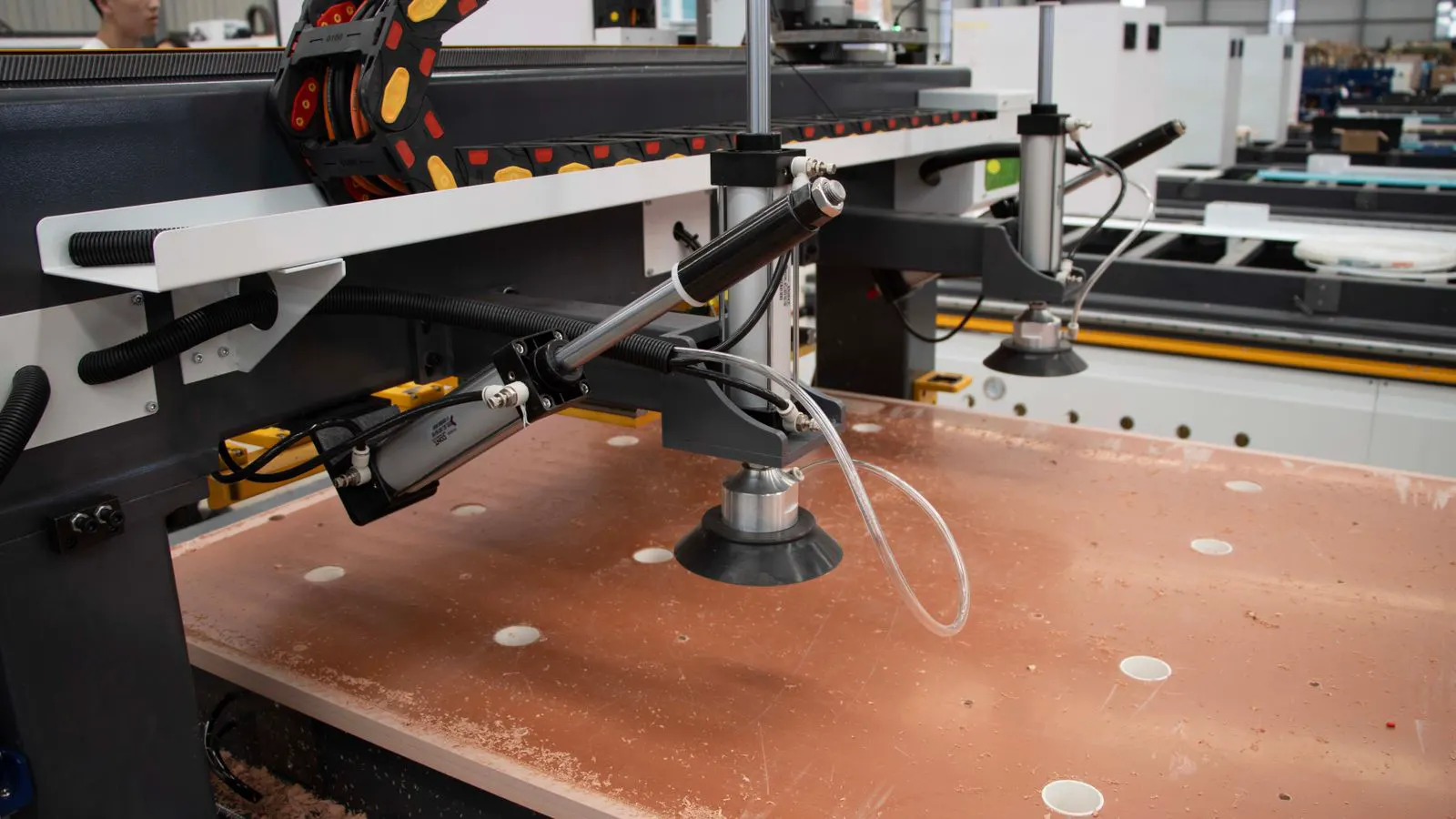
CNC milling removes material with rotating cutters on a fixed workpiece. Turning fixes the workpiece and rotates it for cylindrical parts. Choosing between them depends on part geometry, material, and production volume.
- Milling works best for flat parts, pockets, and complex 3D shapes.
- Turning is the standard for shafts, bores, and cylindrical components.
- Part geometry is the first filter for selecting the right process.
- Material type and finish requirements can change the recommended setup.
- Hybrid machines combine both functions when cost and lead time matter.
What is CNC milling
CNC milling uses a rotating cutter that moves on multiple axes to remove material. The workpiece stays fixed on the table or fixture. The tool does the moving. This setup handles flat surfaces, pockets, slots, and complex three-dimensional shapes.
A typical three-axis mill moves in X, Y, and Z directions. The X and Y axes control horizontal movement across the table. The Z axis controls vertical movement of the spindle. This combination creates the base for most flat parts, plates, and housings. Engineers select this configuration for parts where the primary faces are parallel and perpendicular to each other. The tool path is programmed to follow the desired shape in a defined sequence.
Adding a fourth or fifth axis opens up angled surfaces and deep pockets without repositioning the part. A fourth axis often rotates around the Z axis, allowing the tool to hit a part from a different angle while it remains clamped. A fifth axis adds rotation around the X or Y axis. This capability is critical for aerodynamic surfaces, turbine blades, and medical implants where the geometry is non-planar.
The cutter usually engages the part from the top. Common cutters include end mills, ball-nose mills, and face mills. Each type removes material in a specific pattern. End mills are used for drilling and slotting. Face mills create large flat surfaces quickly. The material removal happens as the cutter spins and moves along the programmed path.
Common materials include aluminum, steel, titanium, and plastics. Aluminum is the most common material for prototyping. It is soft and cuts quickly. Steel is harder and requires more power. Titanium is difficult to machine because it wears tool edges rapidly. Plastics like ABS and nylon require sharp tools to prevent melting.
Milling creates a high volume of small chips. These chips need to be cleared quickly. If they remain in the cut, they can rub against the tool and cause damage. Coolant or compressed air blows across the work area. This keeps the tool cool and flushes the chips away. High-pressure coolant is often used for hard metals to maintain surface finish.
What is CNC turning
CNC turning, often called lathe work, uses a fixed cutter that removes material from a rotating workpiece. The part spins on the chuck. The tool stays in place while the part turns. This method is designed for cylindrical shapes.
The geometry is mostly rotationally symmetric. That means every cross-section is the same circle. This symmetry makes turning efficient for long production runs. The machine only needs to control radial movement and axial movement. The rotation is handled by the spindle.
Typical turned parts include shafts, bushings, bolts, flanges, and spindles. A shaft is a long cylinder with varying diameters. A bushing is a hollow cylinder used as a bearing. A bolt has a threaded section and a head. All of these parts are ideal for turning because their primary dimensions are round.
The tool usually contacts the side of the rotating part. It can cut the outside diameter or drill a hole. A boring bar can remove material from inside the part. A tool post holds several different cutters. This post rotates to bring different tools into the cutting position.
Turning creates chips that wrap around the tool. They must be broken or flushed away. Long stringy chips can wrap around the workpiece and break the tool. A coolant jet often hits the tool area directly. This keeps the cutting edge cool and clean. It also helps break the chips into smaller pieces.
How to choose between the two processes
The first question is part shape. If the part is round, ask if it can be turned. If the part is flat or has complex angles, ask if it can be milled. Many parts are a mix. A shaft with a flat face needs both. A flange with a central hole and outer flats needs both.
The second question is material. Soft materials like aluminum cut fast on either machine. Hard materials like tool steel require more rigidity. Turning hard steel produces heat. The tool must be sharp to avoid burning the metal. Milling it may require slower feed rates to prevent vibration.
The third question is finish. Turning often gives a smooth cylindrical surface with fewer tool marks. The tool moves across the surface as the part rotates. Milling can produce flat surfaces with fine texture. If the part has a critical bore, a turning setup may be more stable. The bore is held in the center of rotation, which minimizes deflection.
The fourth question is volume. Low volume favors flexibility. A three-axis mill can do many different parts in one setup. It can handle brackets, plates, and housings. High volume favors dedicated turning. A dedicated lathe runs faster and cheaper per part. The setup time is lower, and the cycle time is shorter.
When a hybrid machine makes sense
Some parts do not fit cleanly into one category. A flange with a central hole and outer flats can be turned then milled. A hybrid machine does both in one setup. This saves handling and reduces error.
Hybrid CNC machines are useful for medium complexity. They combine a lathe chuck with milling capability. The part stays in the same position. The tool changes from turning cutters to milling end mills. This reduces the need for a second machine.
This setup reduces the need for a second machine. It shortens the cycle time. It lowers the chance of misalignment between operations. When a part moves from a lathe to a mill, it must be re-clamped. Any error in that clamping process affects the final dimensions.
Costs are higher than a single-purpose machine. The machine is more complex. Maintenance takes more attention. The hybrid machine has more moving parts. The tool changer must handle both turning and milling tools. But the flexibility can pay off for parts that need both operations.
A worked example
Suppose you need a small aluminum support bracket. It has a flat base, two round holes, and a raised platform. The part is not cylindrical. It has flat surfaces and pockets.
Milling is the right choice. The bracket sits flat on the mill table. The tool cuts the outer shape. It drills the holes. It mills the raised platform. The whole process happens in one setup. The part does not move. The tool does all the work.
Now consider a steel shaft. It is round with a flat cut on one end. Turning makes the round shape. A cutter removes the material from the outside. The flat cut can be done with a milling tool on a hybrid machine, or the part can move to a mill afterward.
If you need many of these shafts, a dedicated lathe is faster. If you need only a few, a hybrid or a mill may be simpler. The part shape guides the decision. The volume guides the machine choice.
How material affects machine selection
Material changes the tool choice and the machine rigidity. Aluminum is easy to cut. It does not require heavy machines. It can be run on smaller mills and lathes. The chips are small and break easily.
Steel is harder. It requires more power. The machine must hold the part steady. Vibration causes poor finish. A heavier machine is safer. The tool must be sharp to cut steel efficiently.
Titanium is tough. It wears tools quickly. It generates heat. Coolant is critical. The cutting speed must be lower than for steel. The tool must be coated to resist wear.
Plastics are easy but can melt. They chip in long ribbons. They need sharp tools. They can stick to the work area. The chips must be cleared quickly to prevent re-melting.
The material also affects chip control. Some materials produce small chips. Others produce long, stringy chips. Stringy chips can wrap around the cutter. They can break the tool. They can jam the machine.
How tolerance drives the decision
Tolerance is the gap between the part you want and the part you get. Tight tolerances require stable machines. They require good tooling. They require careful setup.
Milling tolerances depend on the rigidity of the table and the tool holder. A loose fixture causes error. A worn tool causes error. The tool deflection changes the cut depth. The table vibration changes the surface finish.
Turning tolerances depend on the chuck and the spindle. The part must spin true. The tool must not deflect. A worn bearing in the spindle causes error. The runout of the chuck affects the roundness of the part.
For small parts, both processes can hold tight tolerances. For large parts, the machine size matters. A large part on a small machine may flex. It may not hold size. The machine must be big enough to support the part during cutting.
If the part has a critical flat face and a critical bore, the process order matters. Mill the flat first. Then turn the bore. Or turn the bore first. Then mill the flat. The order changes the reference surface. The first operation sets the datum. The second operation is measured against it.
Practical sourcing checklist
Before sending a part to a supplier, check the geometry. Is it round? Is it flat? Does it need both? The geometry determines the machine type.
Check the material. Is it soft or hard? Does it need special tooling? Does it need heat treatment? The material determines the tooling and the machine rigidity.
Check the quantity. Is it one part? Is it five hundred? Is it five thousand? The quantity determines the cost structure. Low volume favors flexible machines. High volume favors dedicated machines.
Check the finish. Does the surface need to be smooth? Does it need to be anodized? Does it need to be painted? The finish determines the post-processing steps.
Check the tolerance. Is it loose? Is it tight? Is it critical for assembly? The tolerance determines the machine capability and the inspection methods.
These questions narrow the machine choice. They also narrow the cost. A part that needs both milling and turning may cost more than a single-process part.
Final thoughts
CNC milling and CNC turning are two different ways to remove material. Milling moves the tool. Turning moves the part. The choice depends on shape, material, and volume.
Most parts fall into one category. Some fall into both. Hybrid machines handle the mixed cases. A good supplier will ask about the part before quoting.
Use the part drawing as the guide. Look at the geometry first. Look at the material second. Look at the quantity third. The right machine choice follows from those facts.
Frequently asked questions
Can a CNC mill do turning work?
A standard mill cannot turn a part in a chuck. A hybrid mill with a lathe chuck can perform basic turning operations.
Can a CNC lathe do milling work?
A standard lathe cannot mill complex shapes. A lathe with a milling head or a hybrid lathe can perform basic milling operations.
Which process is faster for cylindrical parts?
Turning is generally faster for cylindrical parts because the part rotates in place. Milling requires tool movement and can be slower for round shapes.
Which process is better for flat parts?
Milling is better for flat parts. The workpiece sits flat on the table. The cutter removes material from the top and sides.
How do I know if I need a hybrid machine?
Use a hybrid machine when a part needs both turning and milling in one setup. This is common for flanges, spindles, and shafts with flats.