CNC Milling vs CNC Turning: Key Differences Explained
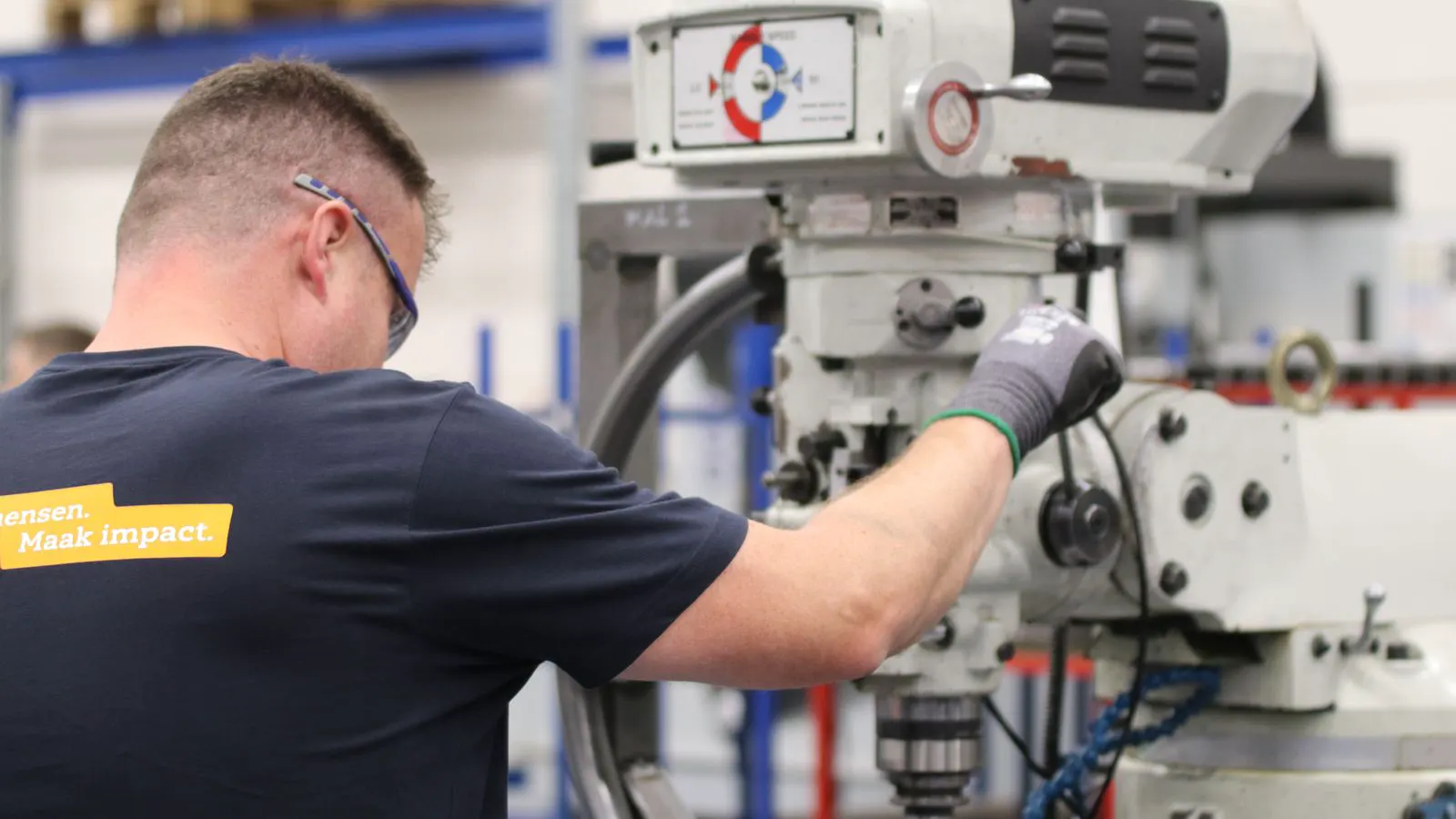
CNC milling removes material from the side using rotating tools, while turning cuts from the top on a rotating workpiece. Choosing between them depends on part geometry, symmetry, and tolerance needs. This guide explains how these machining processes affect your sourcing decision.
- Milling is best for complex shapes and non-circular features, while turning excels at cylindrical and symmetrical parts.
- Turning generally requires simpler setups for round parts, but milling offers greater design flexibility.
- Material removal rates and tooling choices vary significantly between the two machining processes.
- Precision parts often benefit from hybrid approaches, combining turning and milling on a single machine.
- Always evaluate machine capabilities and part geometry before selecting the optimal process for your project.
Introduction
When sourcing custom metal parts, the choice between CNC milling and CNC turning is often the first major decision. These two fundamental machining processes handle different geometries and offer distinct advantages for engineers and buyers. Understanding how each works helps you communicate better with suppliers and make informed sourcing decisions.
What is CNC Milling?
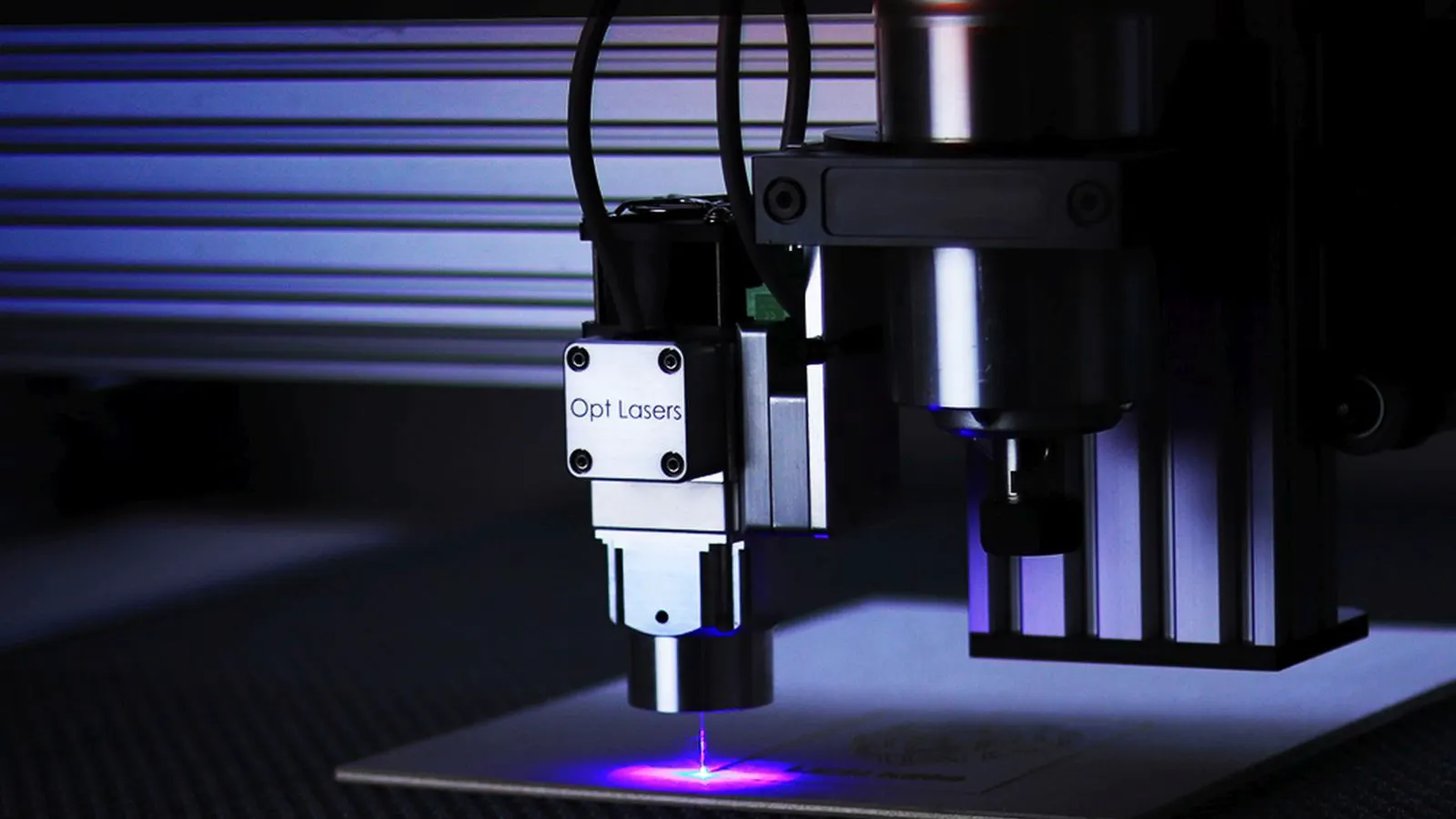
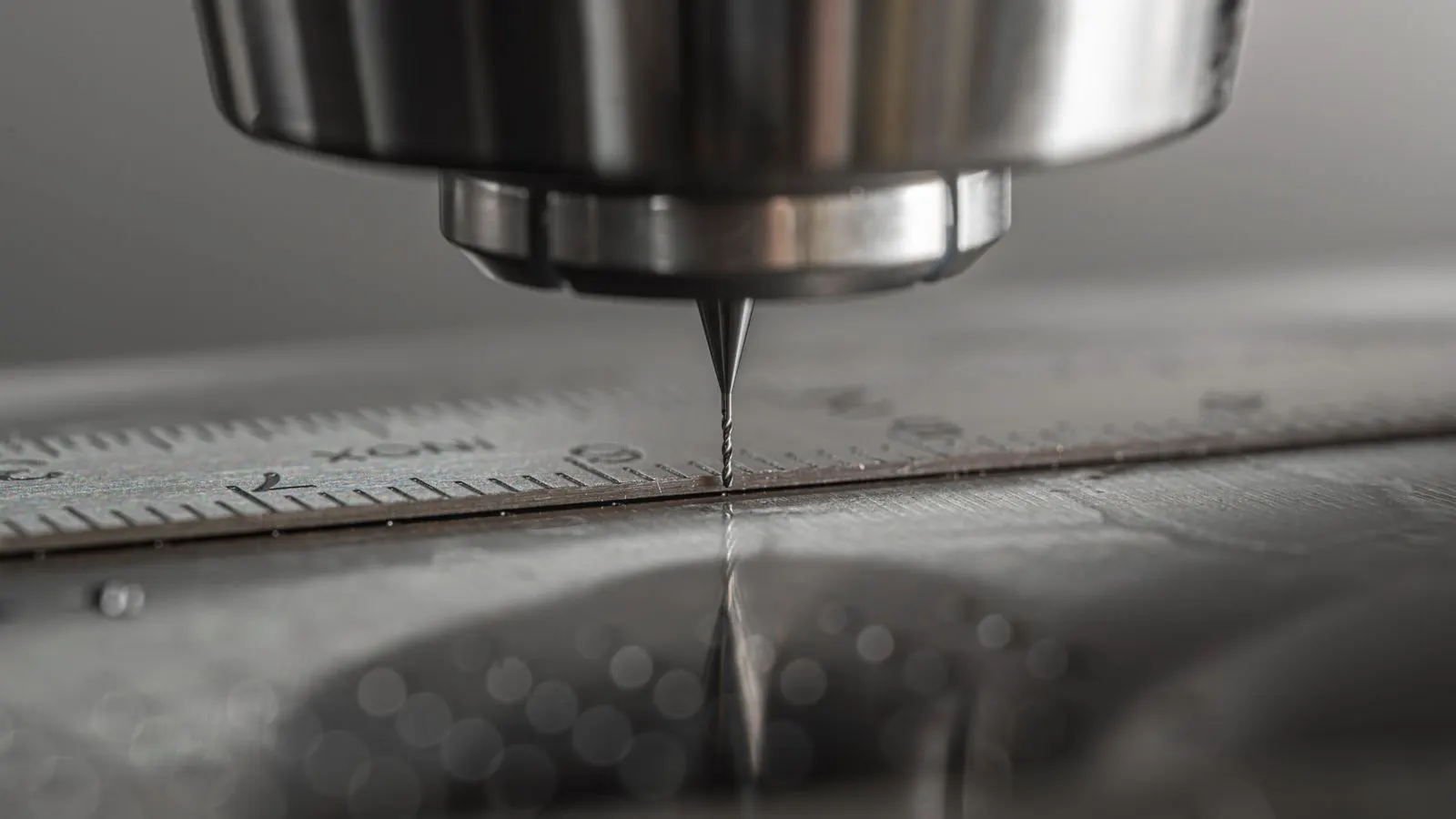
CNC milling is a subtractive machining process where a computer-controlled machine uses rotating cutting tools to remove material from a workpiece. The tool typically spins while the workpiece moves in multiple axes, allowing the machine to cut complex shapes from the sides and top of the material.
In a milling operation, the machine can have three, four, or five axes of movement. This means the tool can approach the part from various angles, creating features like pockets, slots, threads, and intricate contours. The workpiece remains relatively stationary on the machine table while the tool does the cutting.
What is CNC Turning?
CNC turning, also called lathe turning, removes material by rotating the workpiece while a cutting tool stays fixed or moves along specific paths. The workpiece spins on a lathe, and the tool contacts the surface to shape it into cylindrical or conical forms.
This process is highly efficient for parts with rotational symmetry. It creates bores, external diameters, tapers, and threads with high precision. The material removal happens primarily along the length and diameter of the rotating part, making it ideal for shafts, bushings, and cylindrical components.
How Do the Two Processes Differ in Machine Capabilities?
The core difference lies in how the machine moves and where the cutting action occurs. Milling machines move the tool relative to the workpiece, while turning machines rotate the workpiece relative to a fixed tool.
This distinction affects which features each process handles most efficiently. Milling machines excel at creating flat surfaces, complex profiles, and multi-directional features. Turning machines are optimized for cylindrical surfaces, tapers, and internal/external diameters.
Key Differences in Setup and Complexity
Setup time and complexity are practical considerations for buyers evaluating these machining processes.
| Feature | CNC Milling | CNC Turning |
|---|---|---|
| Typical Workpiece Shape | Complex, multi-faceted | Cylindrical, symmetrical |
| Tool Movement | Tool moves in multiple axes | Tool moves along linear paths |
| Workpiece Rotation | None or limited | Continuous rotation |
| Common Features | Pockets, slots, contours | Bores, diameters, tapers |
| Setup Complexity | Higher for complex parts | Lower for round parts |
| Material Removal Rate | Variable based on tool | Generally high for cylindrical cuts |
A numbered list of typical setup steps for each process:
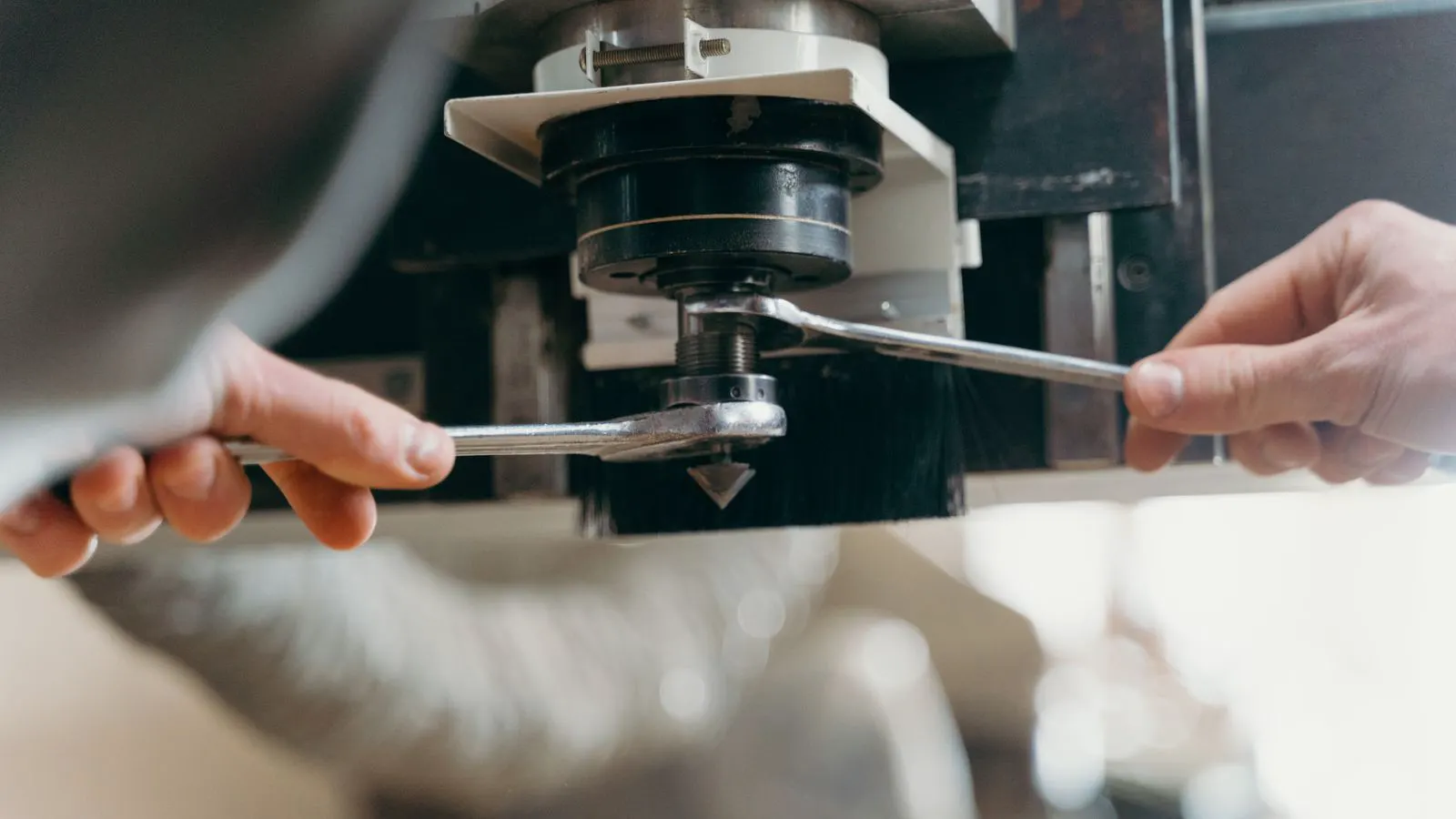
- Milling Setup: Load workpiece, secure with clamps or fixture, calibrate tool offsets, program multi-axis paths.
- Turning Setup: Load workpiece into chuck or collet, calibrate tool positions, program linear cutting paths.
- Both: Verify material type, check tooling, run test cuts, and confirm dimensional accuracy before full production.
When to Choose Milling vs Turning for Your Part
The right choice depends on your part geometry and functional requirements.
Choose CNC milling when:
- Your part has complex shapes, flat surfaces, or multiple non-circular features
- The design includes pockets, slots, or angled surfaces
- You need to machine from multiple sides or angles
- The part is not rotationally symmetrical
Choose CNC turning when:
- Your part is primarily cylindrical or has rotational symmetry
- You need high-precision bores, external diameters, or tapers
- The part includes threaded sections or conical surfaces
- You are producing shafts, bushings, or similar round components
A Worked Example in Plain Words
Imagine you are sourcing a small metal bracket for an equipment assembly. The bracket has a flat mounting surface, two rectangular holes, and a cylindrical boss in the center.
For this part, milling handles the flat surface and rectangular holes efficiently. The cylindrical boss, however, could be turned for better surface finish and precision. A hybrid approach using a CNC mill-turn machine allows the tool to mill the flat surfaces and holes while turning the cylindrical section in one setup. This reduces handling time and maintains better accuracy across all features.
Impact on Sourcing Decisions
Understanding these machining processes affects how you brief suppliers and evaluate quotes. When you describe your part geometry clearly, you help the supplier select the optimal machine and tooling. This can influence lead time, cost, and quality.
For complex parts with many different feature types, a mill-turn machine often provides the best balance of capability and efficiency. For simple cylindrical parts, a dedicated lathe may be more cost-effective. For highly complex shapes with multiple planes and contours, a dedicated milling center is typically the choice.
Always review the machine capabilities and tooling options before finalizing a sourcing decision. Asking about the specific processes used and the tooling required can reveal important details about the supplier’s approach to your project.
Conclusion
CNC milling and CNC turning are both essential machining processes in modern manufacturing. Milling offers flexibility for complex shapes, while turning provides efficiency for cylindrical and symmetrical parts. By understanding the differences in machine capabilities, setup requirements, and typical applications, you can make smarter sourcing decisions.
When evaluating quotes, consider the overall geometry of your part, not just individual features. A hybrid solution on a mill-turn machine often delivers the best results for parts that combine both types of features. Clear communication about your design requirements will help suppliers recommend the most appropriate process for your precision parts.
Frequently asked questions
Can a single machine handle both milling and turning operations?
Yes, many modern CNC machines are mill-turn centers that combine both processes. These machines allow you to perform milling and turning in a single setup, which can reduce handling time and improve accuracy for parts with mixed features.
Which process is generally faster for producing cylindrical parts?
CNC turning is typically faster for cylindrical and symmetrical parts because the workpiece rotation allows continuous material removal along the length and diameter. Milling can produce cylindrical features, but turning is usually more efficient for this specific geometry.
Does the choice between milling and turning affect the final surface finish?
Yes, the surface finish can differ. Turning often produces very smooth cylindrical surfaces, especially with proper tooling and feed rates. Milling surface finish depends on the tool geometry and cutting parameters, and can vary more between different feature types.
Can complex 3D shapes be made with turning?
Standard turning is limited to rotationally symmetric shapes. However, some advanced turning machines with additional axes or live tooling can handle certain complex features, though milling is generally the primary process for truly complex 3D geometries.
How should I describe my part to a supplier to get the best quote?
Provide clear drawings with all critical dimensions and tolerances identified. Specify which features are most important for functionality and surface finish. Mention any material preferences and quantity requirements to help the supplier select the most appropriate machining process.