Copper vs Brass: CNC Machining Properties and Tolerances
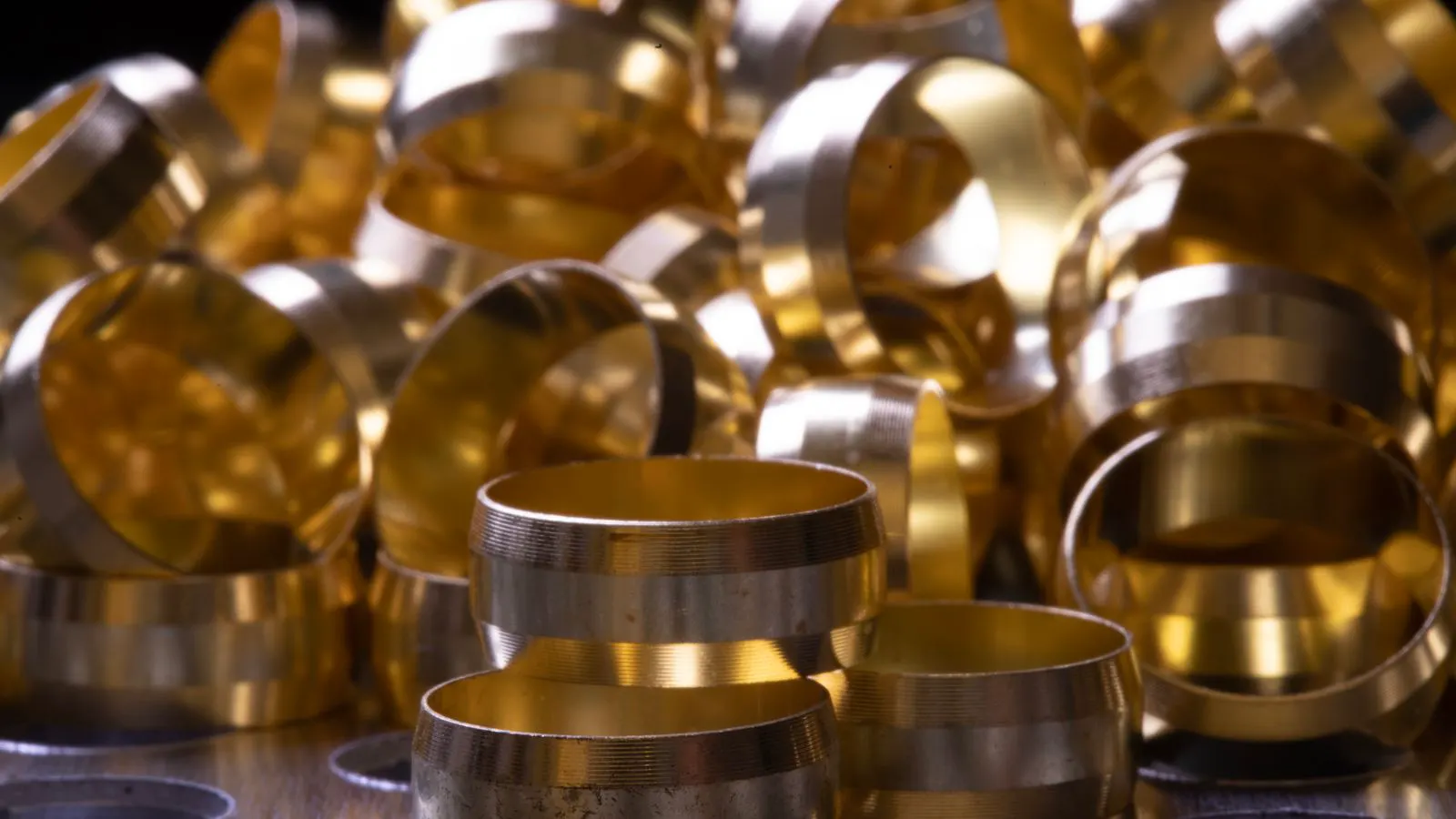
Copper and brass differ in workability, heat transfer, and dimensional stability. Copper handles fine features better but demands tighter cooling controls. Brass offers predictable tolerance behavior and is generally easier to machine.
- Copper offers superior heat conduction, which helps clear chips but requires active coolant to prevent thermal growth.
- Brass provides a more predictable dimensional tolerance range and is generally easier to machine than pure copper.
- Material selection must balance electrical conductivity, corrosion resistance, and the specific tolerance requirements of the part.
- Workpiece setup and clamping strategy directly impact the achievable tolerance for both materials.
- Always specify the exact alloy grade in your drawings to avoid sourcing inconsistencies.
Why the Material Choice Matters
Copper and brass are both non-ferrous metals that appear frequently in precision manufacturing. The difference between them is not just cosmetic. It changes how the tool behaves, how the chips form, and how much dimensional drift you can expect during the cut.
Engineers often default to brass because it is easier to work with. They switch to copper when electrical performance or heat dissipation is the primary requirement. This section breaks down the machinability properties of both materials so you can make a sourcing decision based on actual shop-floor behavior rather than general assumptions.
Selecting the right metal requires looking beyond the bill of materials. A drawing might specify “non-ferrous metal” without naming the alloy. If the supplier assumes brass because it is cheaper, the part may fail in service. If the engineer specifies copper but ignores the heat sink’s thermal mass, the component may overheat. The choice dictates the cutting parameters, the inspection protocol, and the final acceptance criteria.
In many cases, the material choice is driven by the function. A connector pin requires high conductivity. A valve housing requires corrosion resistance and ease of machining. The metal must meet the functional requirement first. Then, the machinist must confirm that the metal can be produced within the specified tolerances and surface finish requirements without excessive tooling costs.
How Machinability Differs Between the Two
Machinability refers to how easily a material can be cut with standard tools while maintaining tool life and part quality. Brass is a copper-zinc alloy. The zinc content creates a different chip structure than pure copper.
Brass chips tend to be more brittle and break into shorter, manageable fragments. This makes clearing chips from the cutting zone simpler. The tool does not have to work as hard to break the chip away from the workpiece. The cutting action is often clean, and the chips curl away from the tool in short, distinct pieces. This reduces the risk of chip re-cutting, which can damage the surface finish.
Copper chips are different. They are often long, stringy, and difficult to control. If not managed correctly, these chips can wrap around the tool, causing rapid wear or breakage. This is why copper jobs often require specific coolant strategies. The coolant must be directed to break the chips and keep the cutting edge cool. The high plasticity of copper means it tends to flow rather than fracture. Without sufficient fluid pressure or a sharp edge, the material smears against the tool, generating heat and causing built-up edge on the insert.
The difference in chip behavior affects the machine setup. Brass can often be cut at higher speeds with less fluid pressure. The chips break away and fall into the chip tray or are swept away by the air blast. Copper requires a more aggressive coolant flow. The nozzles must be positioned to hit the cutting zone directly. If the coolant misses the chip, the part may fail.
Tolerance Limits and Dimensional Stability
When discussing copper machining tolerances, you have to account for thermal effects. Copper has a very high coefficient of thermal expansion. This means the material grows and shrinks more than brass when temperature changes.
If a part is held in a vise for twenty minutes, the metal will expand. If you measure it at that temperature and the part cools down later, the final dimensions will be different. Brass has a lower expansion rate. This makes it more forgiving for parts that need to hold a tight dimension after being removed from the machine.
In a typical CNC setup, the workpiece reaches a stable temperature after the initial cutting passes. However, the transition from the hot, active cutting zone to the ambient environment of the inspection area still creates a gap. For brass, this gap is smaller. For copper, it is larger.
Consider a shaft that is turned to a diameter of 25.00 mm. If the metal is warm from the cutting process, the diameter might read 25.01 mm. If you accept this measurement, the part will be undersized once it cools to room temperature. This error is more pronounced in copper. The thermal mass of the part also plays a role. A small part cools faster than a large block. A large copper block may remain hot for hours, affecting the accuracy of any in-process measurements.
To manage this, shops often use a temperature compensation feature in their control systems. They also allow parts to sit for a defined period before final inspection. For copper, this cooling period must be longer. For brass, it can be shorter. The tolerance stack-up must include this thermal drift. If the part is assembled while still warm, the fit may be tight. Once it cools, the gap may open up.
A Worked Example: The Heat Sink Application
Consider a small heat sink that needs to dissipate heat from an electronic component. The part has several thin fins with a width tolerance of plus or minus 0.05 mm.
If you use brass, the material is easy to mill. The chips break cleanly. The tool life is predictable. The thermal expansion during the cut is manageable. You can hold the 0.05 mm tolerance with standard setup. The fins are stiff enough to resist vibration during the cutting process. The surface finish is consistent because the chips do not stick to the tool.
If you use copper, the material conducts heat away from the tool faster. This is good for the electronics, but it makes the cutting process more demanding. The long chips can clog the area around the tool. The thermal expansion of the copper fins is more pronounced. If the part sits in the clamp for a long time, the fins will expand. When you release the clamp and let it cool, the fins will shrink. The final width might be outside the 0.05 mm window if you did not account for the thermal growth.
This is why copper parts often need a longer cooling period before final inspection. The shop must plan for this extra time in the cycle. The cooling time depends on the size of the part and the ambient temperature. A small heat sink might cool in twenty minutes. A large manifold might take hours.
Another factor is the surface finish requirement. Copper can develop a shiny, mirror-like finish if the tool is sharp and the coolant is effective. However, if the chips are not broken, the surface may look scratched or gouged. Brass tends to produce a more matte, uniform surface finish. For a heat sink, the surface finish is less critical than the thermal contact. However, a rough surface can reduce the effectiveness of thermal paste. The fins must be smooth to ensure good contact with the heat source.
The Role of Alloy Grades
Not all copper is the same. Pure copper, often called oxygen-free copper, has excellent electrical conductivity but is softer. It is easy to cut but prone to work hardening. Work hardening means the material gets harder as you cut it. This damages the tool edge faster. The first few passes may be easy. The final finishing pass may be difficult because the surface layer is now harder than the base metal.
Brass comes in many grades. Free-machining brass, for example, includes a small amount of sulfur. This sulfur makes the chips break more easily and reduces friction. This grade is the standard choice for general CNC work. The sulfur acts as a lubricant, reducing the wear on the tool. It also helps the chips break away cleanly.
When you request a quote, specify the grade. A drawing that just says “brass” is too vague. The supplier needs to know if you need the high-conductivity grade for electrical parts or the free-machining grade for mechanical parts. The tolerance behavior and cost differ based on the grade. A high-conductivity copper part may require a slower cutting speed to prevent work hardening. A free-machining brass part can be cut at a higher speed.
There are also environmental considerations. Some brass grades contain lead, which makes them easier to machine but raises safety concerns. Lead-free brass alternatives exist but may have different machinability characteristics. The sulfur content in free-machining brass can also affect corrosion resistance. Higher sulfur content may reduce the material’s ability to resist atmospheric corrosion. The engineer must balance machinability, conductivity, and durability.
Sourcing and Supply Considerations
CNC material selection is not just about the metal. It is about what is available from your supplier.
Copper stock is generally easier to source in round bar and sheet. It is a commodity material. Brass is also widely available, but the specific alloy grade can affect lead times. If you need a high-tin brass for corrosion resistance, you might face a longer wait than if you need standard free-machining brass.
Check your supplier’s stock list. Ask about the origin of the material. Some imported alloys have different impurity levels that can affect finish and tolerance. Consistent material is key to holding tight tolerances. If the material varies from batch to batch, your parts will vary too. A change in the zinc content of brass can alter the hardness of the material. A change in the oxygen content of copper can affect the electrical conductivity.
Supply chain disruptions can also impact your project. If your primary supplier for copper is out of stock, you may need to switch to a different source. This can introduce variability into your production process. It is better to qualify multiple suppliers for critical materials. Keep samples of the material on hand. Test the machinability of each supplier’s stock before committing to a large order.
Cost is another factor. Copper is generally more expensive than brass. The price fluctuates based on the commodity market. For high-volume production, the material cost can be a significant portion of the total part cost. For low-volume prototypes, the material cost is less of a concern. The engineering requirement usually overrides the cost difference.
Tooling and Setup Requirements
The way you set up the machine depends on the material. For brass, you can use standard carbide tools. The cutting speeds can be high because the material is easier to shear. The tool life is longer because the chips break away cleanly. The surface finish is easier to achieve because the material does not smear against the tool.
For copper, you need to be more careful. The tool must have a sharp edge. A dull tool will rub against the copper instead of cutting it. This creates heat and accelerates tool wear. You also need to ensure your coolant system is effective. Dry cutting copper is rarely a good idea. It leads to poor surface finish and rapid tool failure.
Clamping is another factor. Copper is soft. If you clamp a thin copper part too tightly, you will deform it. The part will spring back after you remove it from the clamp, and the dimensions will be wrong. Brass is harder. It holds its shape better under clamping pressure.
The coolant concentration matters as well. Copper requires a higher concentration of coolant to provide adequate lubrication and chip breaking. Brass can often be machined with a lower concentration. The coolant must be filtered regularly. Swarf and chips can clog the nozzles and reduce the pressure on the cutting edge. A clean coolant system is essential for consistent results.
The tool geometry also plays a role. Copper is best machined with a tool that has a positive rake angle. This helps to shear the material rather than rub against it. The chipbreaker on the tool insert is critical. It must be sized to break the long, stringy chips. If the chipbreaker is too small, the chips will wrap around the tool. If it is too large, the chips may not break at all.
Comparison Table
| Property | Copper | Brass |
|---|---|---|
| Chip Control | Long, stringy chips | Short, brittle chips |
| Thermal Expansion | High | Moderate |
| Tool Life | Shorter without coolant | Longer with standard setup |
| Surface Finish | Difficult to achieve | Easier to achieve |
| Electrical Conductivity | Very high | Lower than pure copper |
| Corrosion Resistance | Moderate | Moderate to high |
Final Considerations
The choice between copper and brass comes down to the specific demands of the part. If the part needs to conduct electricity or heat, copper is likely the right choice. If the part is a mechanical component that needs to hold a tight tolerance with minimal fuss, brass is often the better fit.
Review your tolerance stack. Look at the thermal environment of the finished part. If the part will run hot, the material choice matters even more. The expansion of the material will affect how it fits into the assembly. A copper part that is a perfect fit at room temperature may be a loose fit when hot. A brass part may hold its fit better over a wider temperature range.
Take these factors into account when talking to your machinist. A clear communication about the material properties and the tolerance requirements will lead to a better part. It will also reduce the chance of scrap and rework. The machinist can suggest alternative materials if the function allows. They can also recommend specific tooling and coolant strategies to ensure the part meets the requirements.
The final decision is a balance of function, manufacturability, and cost. Copper offers superior electrical and thermal properties but requires more careful machining. Brass offers easier machining and better dimensional stability but has lower conductivity. By understanding these trade-offs, you can select the right material for your application and ensure a successful production run.
Frequently asked questions
Is brass easier to machine than copper?
Yes, brass is generally easier to machine. The chips are shorter and break more cleanly, which reduces tool wear and makes chip control simpler.
Can copper hold tighter tolerances than brass?
Copper can hold tight tolerances, but it requires careful thermal management. The high expansion rate means the part must cool down before final inspection to ensure the dimensions are accurate.
Which material is better for electrical contacts?
Copper is better for electrical contacts because of its high conductivity. Brass is a decent conductor but is not as good as pure copper.
Do I need special coolant for copper?
Yes, copper requires active coolant to break the long chips and control heat. Dry cutting is not recommended for copper as it leads to poor finish and rapid tool damage.
How does alloy grade affect machining?
The grade changes the chip structure and hardness. Free-machining brass is easier to cut than high-strength brass. Pure copper is softer and more prone to work hardening than some alloyed copper grades.