CNC Cost Factors for High-Tolerance Medical Device Parts
Tight tolerances on medical parts significantly increase CNC machining costs due to slower cutting speeds, higher material waste, and rigorous inspection requirements. Understanding these cost drivers helps buyers write clearer RFQs and compare quotes fairly for medical device CNC projects.
- Tight tolerances require slower feed rates and more frequent inspection, which directly increase labor and machine time.
- Material choice and part geometry influence how much scrap is generated during high-precision machining.
- Clear RFQs that specify tolerance stack-ups and inspection methods help suppliers provide more accurate and comparable quotes.
- Comparing quotes based on per-part cost, setup fees, and inspection inclusions is essential for fair evaluation.
- Lead times for high-tolerance medical parts are longer due to the need for additional quality control steps and potential rework.
How Tight Tolerances Increase CNC Machining Costs
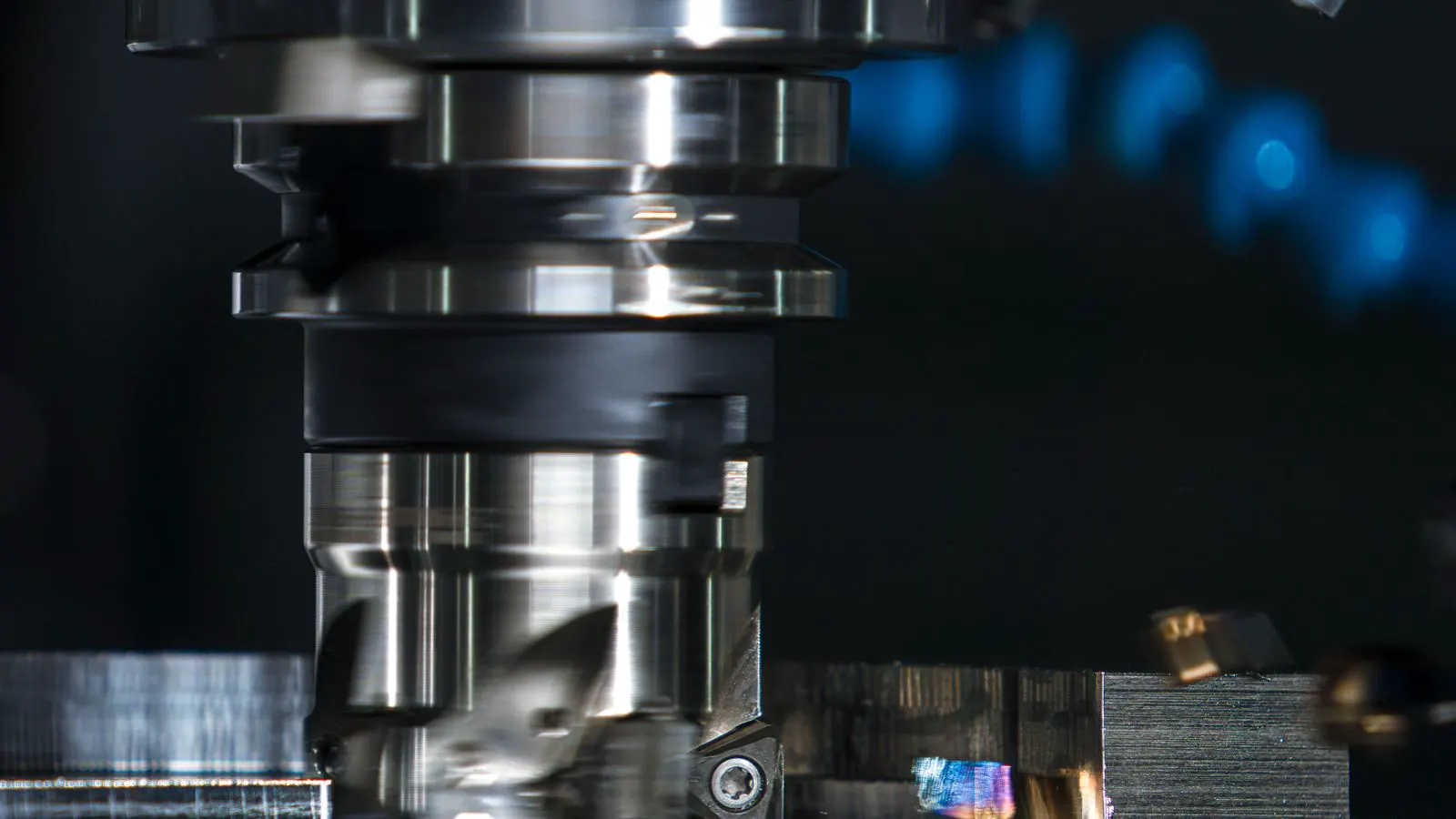
When engineers specify extremely tight dimensional tolerances for medical parts, the manufacturing process becomes more complex and expensive. Tight tolerances limit the machine’s ability to use standard cutting parameters, forcing operators to reduce feed rates and spindle speeds. This slows production and increases the machine hours required per part. Additionally, achieving precise dimensions often requires multiple finishing passes, which further extends cycle time.
Beyond machine time, tight tolerances demand more rigorous quality control. Every part or a higher percentage of parts must be inspected using coordinate measuring machines (CMM) or other high-precision metrology equipment. This adds labor costs and extends the lead time. For medical device CNC applications, these factors are especially significant because the cost of a rejected part is much higher than in non-medical industries.
How Material Choice Affects Tolerance Cost Impact
The material used for medical parts plays a critical role in how tolerance specifications affect cost. Softer materials like aluminum or 316L stainless steel are generally easier to machine than harder alloys like titanium or cobalt-chromium. Harder materials require slower cutting speeds and more frequent tool changes, which increases tooling costs and downtime.
For high-tolerance medical parts, material selection also impacts scrap rates. Complex geometries with tight tolerances can lead to higher material waste if the part cannot be machined efficiently from a standard billet. Sometimes, suppliers recommend alternative materials or designs that are easier to machine without compromising the medical performance requirements. It is important for buyers to discuss material options with their CNC partner early in the design phase.
The Role of Part Geometry in Pricing
Part geometry directly influences the cost of machining tight tolerances. Complex shapes with deep pockets, thin walls, or intricate features require more setup time and specialized fixtures. Each additional feature that needs to be held within a tight tolerance range adds to the machining time and the risk of error.
For medical parts, geometric complexity can also complicate the inspection process. Inspecting a simple cylindrical shaft is faster and more straightforward than inspecting a complex medical implant with multiple curved surfaces and fine features. The more complex the part, the more time and expertise are needed to verify that all tolerances are met.
How to Write a Clear RFQ for Medical Parts
A Request for Quotation (RFQ) is the foundation of a fair and accurate pricing process. For medical device CNC projects, the RFQ should include detailed drawings with clear tolerance callouts, material specifications, and surface finish requirements. It is also helpful to specify the expected annual volume and any special inspection or testing requirements.
Buyers should also indicate whether they need first article inspection (FAI) reports or other quality documentation. These additional requirements can affect both the price and the lead time. A well-structured RFQ helps suppliers understand the scope of the project and allows them to provide a more accurate quote. Vague specifications can lead to multiple back-and-forth communications and potential price changes.
How to Compare Quotes Fairly
When comparing quotes from different CNC suppliers, it is important to look beyond the per-part price. Setup fees, tooling costs, and inspection fees can vary significantly between suppliers. Some quotes may have a lower per-unit price but include higher setup fees or exclude certain inspection services.
To make a fair comparison, buyers should request itemized quotes that break down the cost into setup, material, machining, and inspection. They should also ask about the lead time for each stage of the process. For high-tolerance medical parts, the lead time for inspection can be a significant factor. A supplier with a slightly higher per-part price but a shorter lead time may be more valuable for a project with a tight deadline.
Cost Drivers for High-Tolerance Medical Parts
The following table outlines the primary cost drivers for machining high-tolerance medical parts. Understanding these factors helps buyers anticipate pricing and identify areas where cost can potentially be reduced.
| Cost Driver | Impact on Price and Lead Time |
|---|---|
| Tolerance Tightness | Slower cutting speeds, more passes, and increased inspection time raise costs and extend lead time. |
| Material Hardness | Harder materials require slower cutting and more frequent tool changes, increasing tooling and labor costs. |
| Part Complexity | Complex geometries require more setup, specialized fixtures, and longer inspection cycles. |
| Inspection Requirements | Higher inspection frequency and advanced metrology equipment add labor and equipment costs. |
| Batch Size | Larger batches reduce the per-unit setup cost, but smaller batches may be needed for early production. |
| Surface Finish | Fine surface finishes require additional machining passes or polishing, increasing cycle time. |
Managing Lead Time for Medical Device CNC Projects
Lead time is a critical consideration for medical device manufacturers, as delays can impact product launches and clinical trials. For high-tolerance medical parts, the lead time is often longer than for standard components due to the additional quality control steps.
To manage lead time effectively, buyers should work with their CNC partner to develop a realistic production schedule. This schedule should account for design review, tooling fabrication, machining, inspection, and any necessary rework. Early involvement in the design process can help identify potential manufacturing challenges and reduce the risk of delays.
Final Thoughts
Understanding how tight tolerances affect the cost and lead time of medical parts is essential for successful procurement. By clearly defining specifications in the RFQ, comparing quotes fairly, and considering the full scope of the project, buyers can make informed decisions that balance cost, quality, and delivery. Partnering with an experienced CNC machining provider who understands the specific requirements of the medical device industry can help ensure that parts are produced to the highest standards.
Frequently asked questions
How much does a tighter tolerance increase the cost of a CNC-machined part?
The cost increase varies depending on the material, part complexity, and how much tighter the tolerance is. Generally, tighter tolerances require slower cutting speeds and more inspection, which can significantly increase the per-part cost.
What is the most common material used for high-tolerance medical parts?
316L stainless steel and titanium are commonly used for high-tolerance medical parts due to their biocompatibility and durability. Aluminum is also used for less demanding applications.
How can I reduce the cost of machining tight tolerances?
You can reduce costs by optimizing the part design, selecting more machinable materials, and increasing the batch size. It is also helpful to work with a CNC supplier early in the design phase to identify potential cost-saving opportunities.
Why is inspection so important for medical parts?
Inspection is crucial for ensuring that medical parts meet the required tolerances and performance specifications. Defects in medical parts can lead to safety issues and regulatory non-compliance.
How do I know if a CNC supplier is experienced with medical parts?
You can ask for references from other medical device manufacturers, request samples of their previous work, and ask about their quality management systems and certifications.