CNC Cost vs Lead Time: Balancing Budget and Schedule
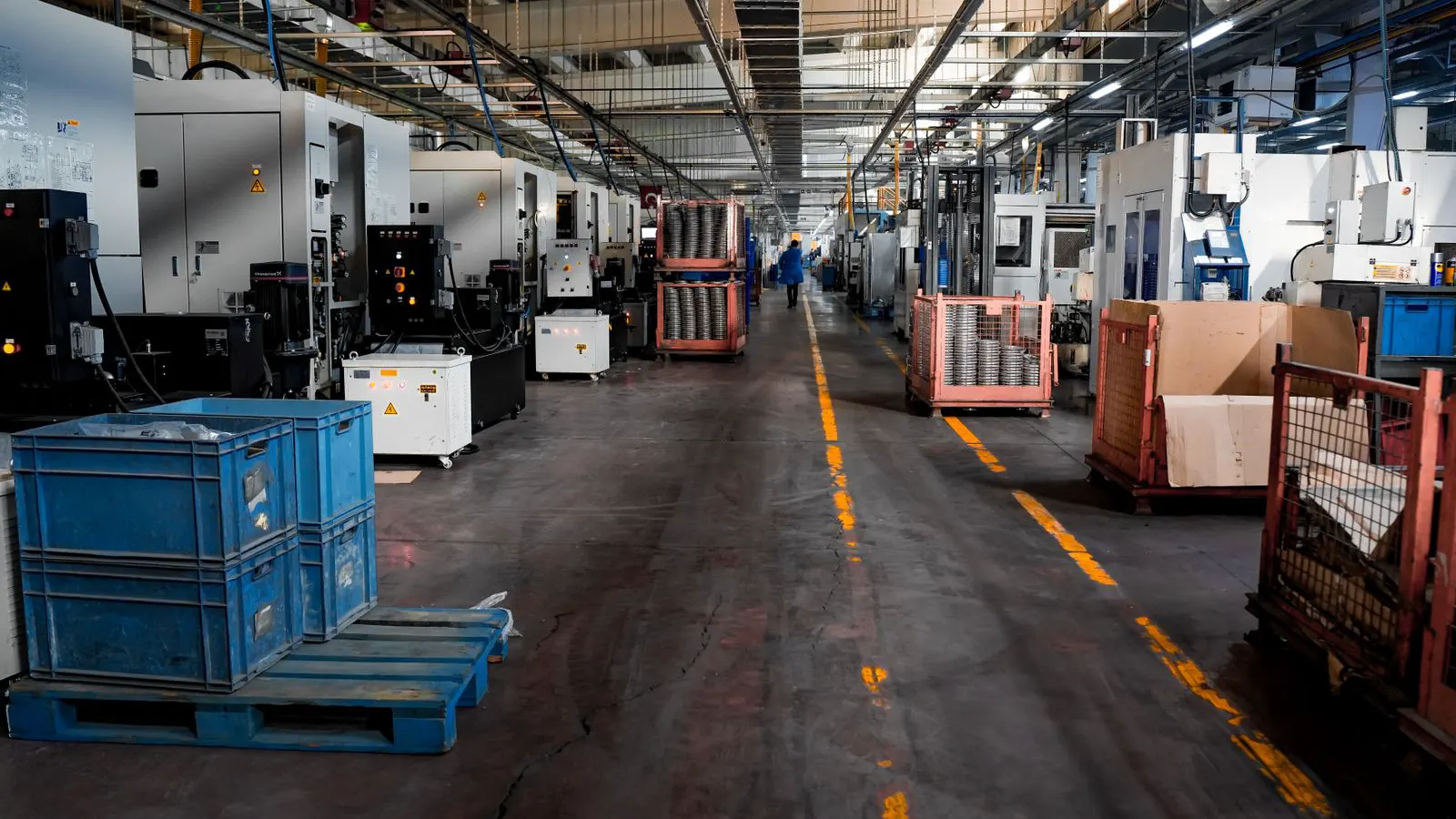
Balancing CNC machining costs and lead time requires a clear RFQ and a realistic production schedule. Importers must weigh material, process, and capacity against delivery dates. A fair quote comparison protects both budget and timeline.
- A precise RFQ removes ambiguity and makes CNC machining costs and lead times easier to compare.
- Rush orders raise prices but shorten the production schedule when capacity is tight.
- Material choice, process type, and part complexity drive both cost and delivery speed.
- Ask vendors for the production schedule and capacity assumptions behind each quote.
- Standard production usually offers better pricing than rush jobs for the same part.
What drives CNC machining costs
CNC machining costs are rarely a single number. They are the result of material selection, manufacturing process, and shop capacity intersecting. Two parts can look identical in a CAD model but price very differently if one is made from 6061 aluminum and the other from 17-4 PH stainless steel. The material bill is often the largest fixed cost, but the machine hour rate is what changes the variable cost.
The raw stock size sets the baseline. A machinist does not buy a 100 x 100 x 100 mm block if the part only needs a 50 x 50 x 20 mm section. The vendor prices the full billet or plate. For sheet metal, the gauge and the alloy matter. A 316L stainless sheet costs more per square meter than 304L. For bar stock, the diameter and the length per bar determine the scrap loss. If a part is machined from a square bar, the material waste is significant. A part machined from a round bar often has less waste, but the bar itself may be more expensive than a square equivalent.
Process type changes the cost curve. Milling and turning are different beasts. Turning is generally faster for rotational parts. A flanged coupling or a valve body turns quickly on a lathe. Milling is more versatile but slower. A part with deep pockets, thin walls, or complex contours requires multiple tool changes. Each tool change interrupts the machine cycle. The more tools a part needs, the longer the setup and the higher the labor cost. Grinding, which is often used for hard tool steels or for holding dimensions extremely tight, runs at a slower feed rate than milling. It is a slow process that eats machine hours.
Setup time is a hidden cost. If a job involves a large number of tool changes, the operator spends significant time on changeover. This time is not cutting time, but it still consumes a slot in the shop’s schedule. Complex parts with many features often require multiple setups. A part that flips over twice on the mill costs more in labor than a part that stays in one setup.
Capacity shapes the final number. A shop with open slots may offer a lower rate because the fixed overhead is already covered by existing work. A shop running at full load may charge more to cover overtime or to prioritize new work. Rush work forces a shop to pull jobs from its queue. That disruption has a cost. The vendor passes part of that disruption cost through to the buyer.
What drives CNC lead time
CNC lead time starts before the first cut. The clock begins at the moment the RFQ is received. Design review takes time. Vendors check for manufacturability. They look for undercut features, thin walls, or sharp internal corners that are difficult to machine. They check if the drawing has enough tolerance data. If the drawing is vague, the vendor must ask questions. Each question adds a day or two to the process.
Material procurement is a major bottleneck. A vendor that keeps common stock on hand can start cutting immediately. A vendor that orders from a distant supplier has to wait for freight. Aluminum and mild steel are common. They are usually in stock. Exotic materials like Inconel, titanium, or certain grades of stainless steel may require a purchase order. If the vendor does not have the specific alloy grade in the warehouse, the lead time extends by several weeks.
Queue position matters. A shop with a full backlog will place your job behind existing orders. The production schedule is a chain. If a part requires a process that only one machine in the shop can do, the wait time depends on that specific machine. For example, a large 5-axis mill might be busy with aerospace work. A part that requires 5-axis milling cannot be moved to a 3-axis machine. It must wait for the 5-axis slot.
Post-processing adds time. Deburring, heat treatment, plating, and inspection each create handoffs. A part that needs an anodized finish or a certified NDT report will leave the shop later than a plain machined part. Heat treatment is a big one. After machining, the part goes into an oven. That cycle can take hours or days. If the part needs a specific heat treatment, the shop may have to wait for the next oven slot.
How to write a clear RFQ
A clear RFQ gives vendors a fair starting point. Send the 3D model and the 2D print. Use standard file formats. STEP or IGES are usually accepted. PDF drawings are useful for 2D views. State the material grade and tolerance requirements. Include surface finish and quantity. Do not leave gaps.
State the target ship date. Add a note on whether the date is firm or flexible. A flexible date lets a vendor use standard production. A firm date forces rush handling. The buyer controls which lane the quote enters. If you say “ship by next month,” the vendor will quote a standard price. If you say “ship by Friday,” the vendor will quote a rush price. The difference can be significant.
List special requirements. Threaded holes, deburring, packaging, and inspection reports all add cost. If the part needs a material certificate or a first article inspection, say so. Omissions often appear later as change orders. A change order is expensive. It stops the job, requires re-approval, and delays the shipment. It is cheaper to ask for the certificate upfront.
How to compare quotes fairly
Do not compare the lowest number. Compare the total cost of ownership and the delivery risk. Ask each vendor for the same assumptions. Same material, same quantity, same ship date, same surface finish. Then the numbers mean something.
Check the production schedule. Ask which process will run the part and when. If one vendor promises a short lead time but uses a shop that is already at capacity, the promise may break. A longer quote with a stable schedule can be safer. A vendor that is transparent about their queue is more reliable than one that overpromises.
Look for hidden items. Setup fees, tooling costs, and post-processing fees vary. Some vendors include them. Some add them later. A quote that includes all fees is easier to manage than one that leaves room for surprises. Ask for a breakdown. If the quote is just a single line item, ask what is included.
Cost and lead time trade-offs
Rush work is a trade. It shortens the production schedule but raises the price. The buyer pays for priority. Standard production uses the normal queue. It costs less but takes longer.
The material choice affects both. Common materials like aluminum and mild steel move quickly. Exotic materials add procurement time and cost. If the schedule is tight, ask if the vendor has the stock on hand. If the vendor needs to buy the material, the lead time increases.
Quantity changes the math. A single prototype may use a more expensive setup. A run of five hundred uses amortized setup time and a lower unit cost. The production schedule often shifts when volume increases. A large run may take longer to finish, even if the unit cost is lower.
A simple decision framework
Use a decision framework to avoid gut choices. First, set the ship date. Second, pick the material. Third, check the process complexity. Fourth, ask for two quotes: one standard and one rush. Compare the price gap and the schedule gap.
If the price gap is small, rush may be worth it. If the price gap is large, ask if a later ship date is possible. A one week delay may save a large amount and keep the schedule manageable.
Check the vendor capacity. Ask if the shop has room for your part. If the vendor cannot say, ask what the production schedule looks like for similar jobs. A clear answer reduces risk.
Cost drivers table
| Cost driver | Effect on price | Effect on lead time |
| Material | Higher cost for scarce alloys | Longer if stock must be ordered |
| Process | More passes and tools raise cost | More setups add queue time |
| Tolerances | Tighter tolerances require more time | Inspection adds time |
| Quantity | Setup cost spreads over units | High volume may need longer production |
| Post-processing | Finishing adds cost | Handoffs add delivery time |
| Capacity | Rush work costs more | Open slots shorten delivery |
Managing delays and risks
Delays happen. Material shortages, machine breakdowns, and inspection failures all push the production schedule. Build a buffer into the plan. Do not promise the customer a date until the vendor confirms it.
Keep a backup vendor. A second shop with a similar capability can take over if the first fails. The backup may cost more. It reduces the risk of a missed delivery.
Communicate early. If a part is at risk, tell the customer before the deadline passes. A clear update allows the customer to adjust their own plan. Silence creates more damage than a delay.
Final checklist for importers
Use a checklist before you send the RFQ. Verify the drawing revision. State the material grade. Set the quantity. State the ship date. List special requirements. Ask for both standard and rush quotes. Check the production schedule. Confirm the capacity.
This approach balances budget and schedule. It reduces the chance of a surprise invoice. It also reduces the chance of a late part. The importer controls the outcome by asking the right questions.
CNC machining costs and lead time are linked. One changes when the other changes. A clear RFQ and a fair comparison give the buyer control. The production schedule becomes a tool, not a mystery.
Frequently asked questions
How does a rush order change CNC machining costs?
Rush orders cost more because they interrupt the normal production schedule. The vendor pays for priority and may charge a premium. The buyer trades price for a shorter delivery window.
What is the fastest way to reduce CNC lead time?
Use a vendor with open capacity and stock on hand. A clear RFQ and approved drawings remove review delays. Standard production is slower than rush but more stable.
Can I compare quotes if the vendors use different materials?
No. Compare quotes only when the material, process, and quantity are the same. Different materials change both cost and lead time. A fair comparison requires the same starting assumptions.
What should I include in an RFQ to get an accurate quote?
Include the 3D model, 2D print, material grade, quantity, surface finish, and ship date. State any special requirements. Ask for both standard and rush options.
How do I know if a vendor can meet a tight schedule?
Ask for the production schedule and capacity assumptions. Check if the part can run on the needed machine. Ask how many similar jobs are in the queue.